Bioluminescence Kayak Tours San Juan Island
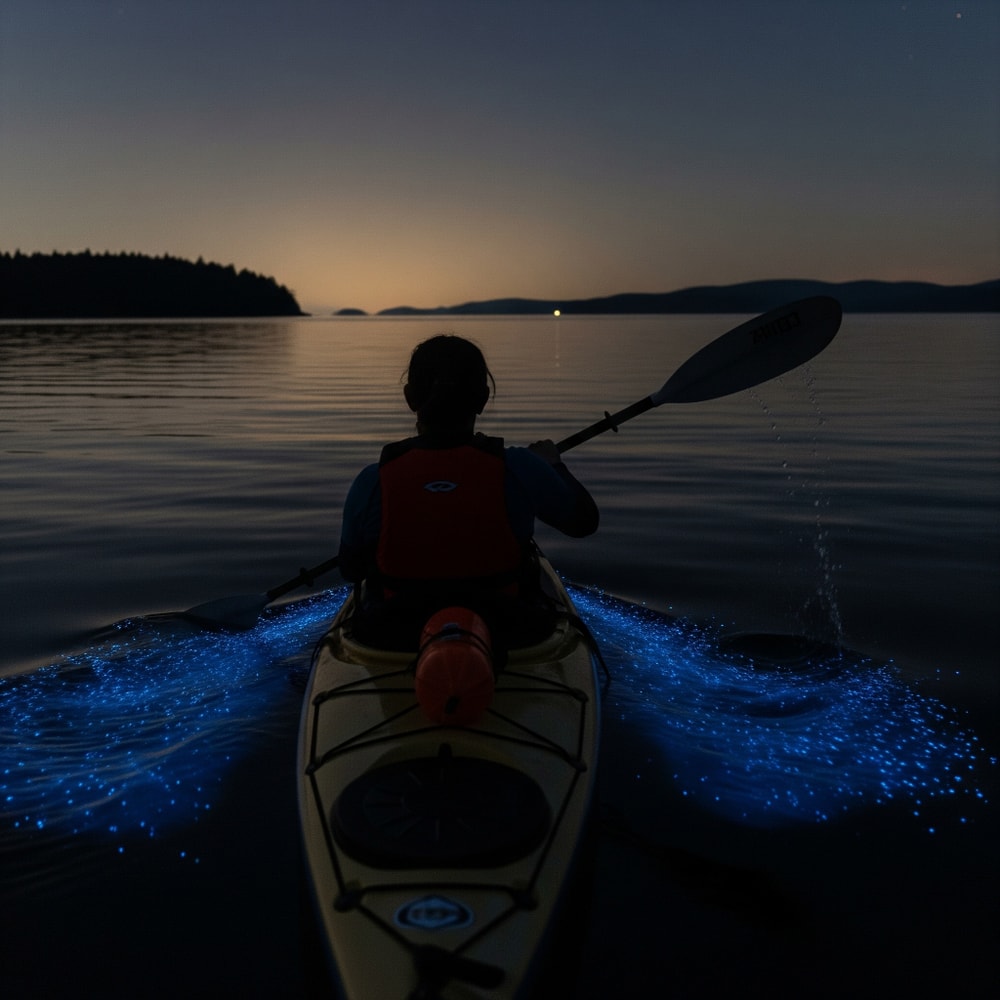
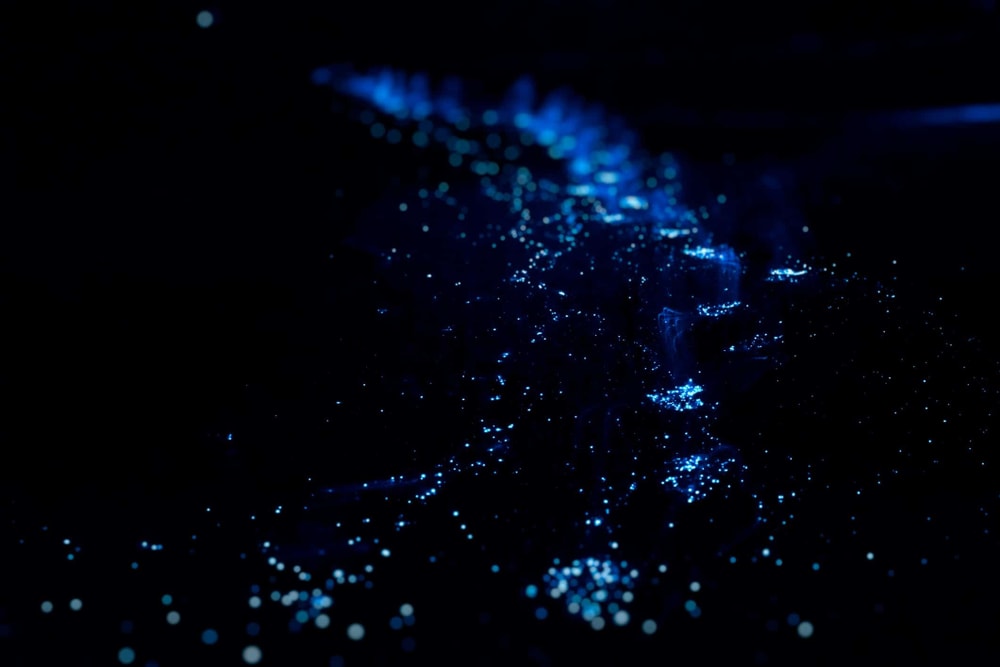
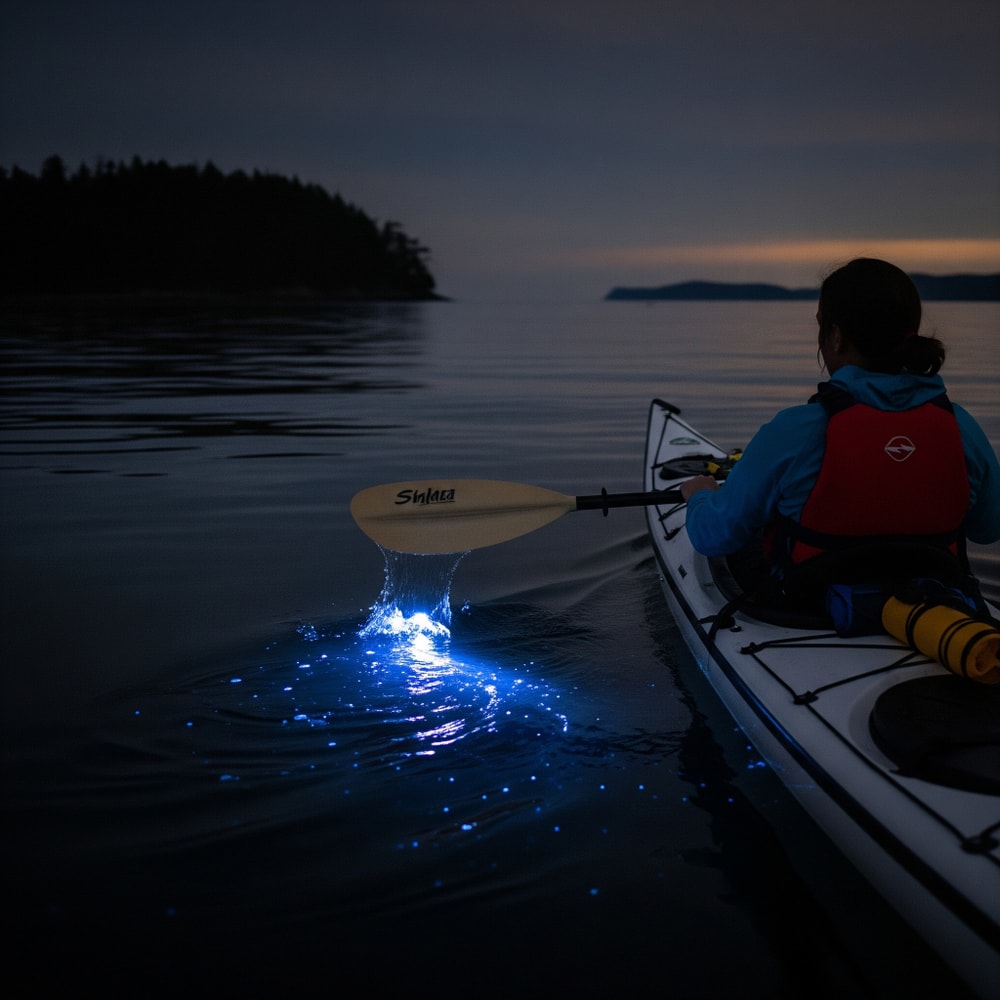
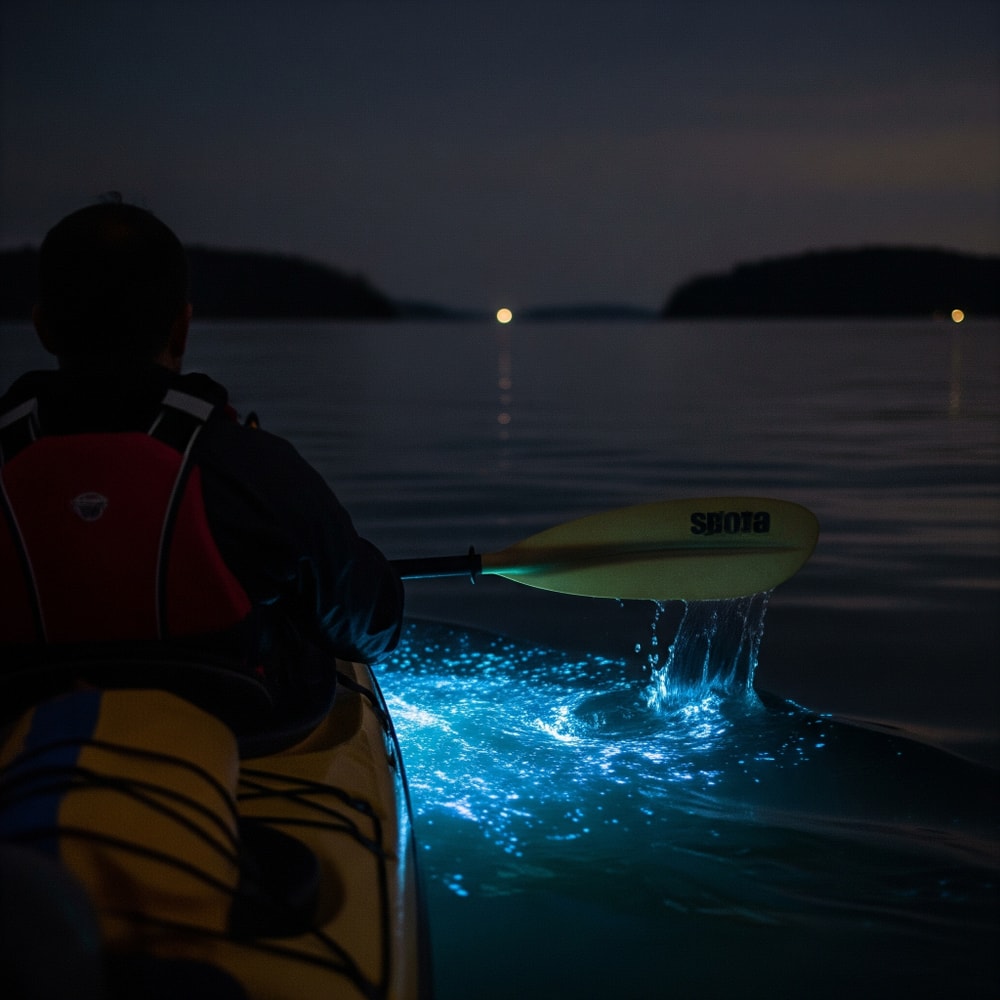
Sea Quest offers bioluminescence kayaking tours in the San Juan Islands every night. No prior experience is required to join our bioluminescence kayak tours which offer you a chance to enjoy some of the finest light shows that nature provides! Beneath our kayaks, the fertile waters of the San Juan Islands support plankton that produce sparkling lights. We are certain that kayaking in bioluminescence is an experience you’ll never forget!
15% OFF EARLY BIRD SPECIAL
Use Promo Code
KAYAK15TOUR15SJI
at Checkout
Trip Details
STARTING FROM
$199
DURATION
4 hours
DEPARTURES
Daily at Dusk. Call For Availability
LOCATION
San Juan Islands, WA
RATED 4.7/5
(437 Reviews)
GROUP SIZE
All Group Sizes
AGE RANGE
All Ages
ACTIVITY LEVEL
Beginner Friendly
Schedule: Bioluminescent Kayak Tour offered daily.
Trip Fee: $199 per person plus 8.3% state tax & $10 government launch fee. On rare dates, the fee is $249+ due to limited resources, and this will be noted in the online reservation system.
Meeting Place: Friday Harbor, San Juan Island. Look for our van and kayak trailer in the traffic circle adjacent to the Friday Harbor Ferry Terminal.
Meeting Time: Bioluminescence kayak trips usually begin at dusk. Note that the trip start times in our reservation system vary with seasonal daylight hours. Our online reservation system will indicate the exact meeting time if you enter a specific date. If the times don’t work for you, we may be able to change them to meet your needs so feel free to ask!
Itinerary: Our shuttle van takes you to the launch beach. The drive takes between 5 to 25 minutes. We provide a one hour kayak lesson on the beach. This lesson familiarizes everyone with the basic skills before we launch the sea kayaks in the dark. We then explore for about 1 – 1½ hours, covering 1 to 2 miles during the kayak adventure. We will paddle at a leisurely pace in search of good areas. If we find a rich spot we will float there to soak in the experience and look for the glowing outlines of fish and seals. Remember to bring a headlamp or flashlight but turn it off to enjoy the bioluminescence!
Finish Time & Place: Friday Harbor Ferry Terminal. 3 hours after we pick you up.
Total Time: Approximately 3 hours from meeting your guides to finish. Be aware that our weather, winds or currents can occasionally delay us!
- GEAR LIST
WE PROVIDE THE FOLLOWING:
- Sea kayaks
- Safety equipment
- Expert guides
- Instructions
- Transportation
- All related sea kayaking trip gear
- Suitable clothing and footwear for the beach
- Water bottle
- Headlamp
- Bring a warm sweater and rain jacket if windy or rainy.
Click prepare for a San Juan Islands kayak tour for some tips.
WHY CHOOSE SEA QUEST FOR YOUR BIOLUMINESCENCE KAYAK TOUR ON SAN JUAN ISLAND?
- Best location for kayaking with bioluminescence near Seattle!
- A magical glowing light show you won’t forget any time soon.
- We make night kayaking a safe, fun and accessible experience!
- Stay warm and dry on the water - even while kayaking at night! Our best in class equipment will ensure your comfort.
- Best bioluminescence kayak tour display in Washington State.
- Highest safety standards for any company operating kayak tours at night in the San Juan Islands.
- Highest quality equipment of any kayak bioluminescence tour in Friday Harbor.
- The best quality guides in the San Juan Islands with the most training on where to find bioluminescence in a kayak.
Ready to Start Your Friday Harbor Bioluminescence Kayak Tour?
- REVIEWS





---
The crew was absolutely fantastic, and the experience of seeing the orcas was unforgettable. Along the way, we also spotted seals, a porpoise, and several majestic eagles. The crew went above and beyond to give us the best chance of seeing orcas, and their passion and knowledge made the trip even more enjoyable. I would highly recommend this experience to anyone.

our friends, who had never sea kayaked before. We highly recommend Sea Quest if you are visiting Friday Harbor.







All Our Kayaking Tours in the San Juan Islands Come with a 100% Money Back Guarantee.
Book a kayak trip with Confidence: As a small family owned and operated company, all we ask is that give us the opportunity to show you the amazing wonders of kayaking in the San Juan Islands.

National Geographic chooses our San Juan Islands Kayaking tours in “10 Best Trips in the World for 2011.”

Sea Quest Kayak Tours is on ABC News! See us Kayaking with Orca Whales in the San Juan Islands.

San Juan Islands Kayaking Trips in Killer Whale Waters of Washington – a World’s Top 10 Adventure Bargain!

National Geographic chooses our San Juan Islands Kayaking tours in “10 Best Trips in the World for 2011.”
- FREQUENTLY ASKED QUESTIONS
Yes! Even though we are paddling in the dark, kayaking at night with Sea Quest Kayak Tours is still incredibly safe. We make sure everyone brings or is provided with headlamps so we can stay in visual communication at all time. Furthermore, our guides are able to navigate because they are familiar with the shorelines of the area and stay within a protected bay. Even in very dimly lit conditions they will ensure you stay with the group and enjoy the bioluminescence.
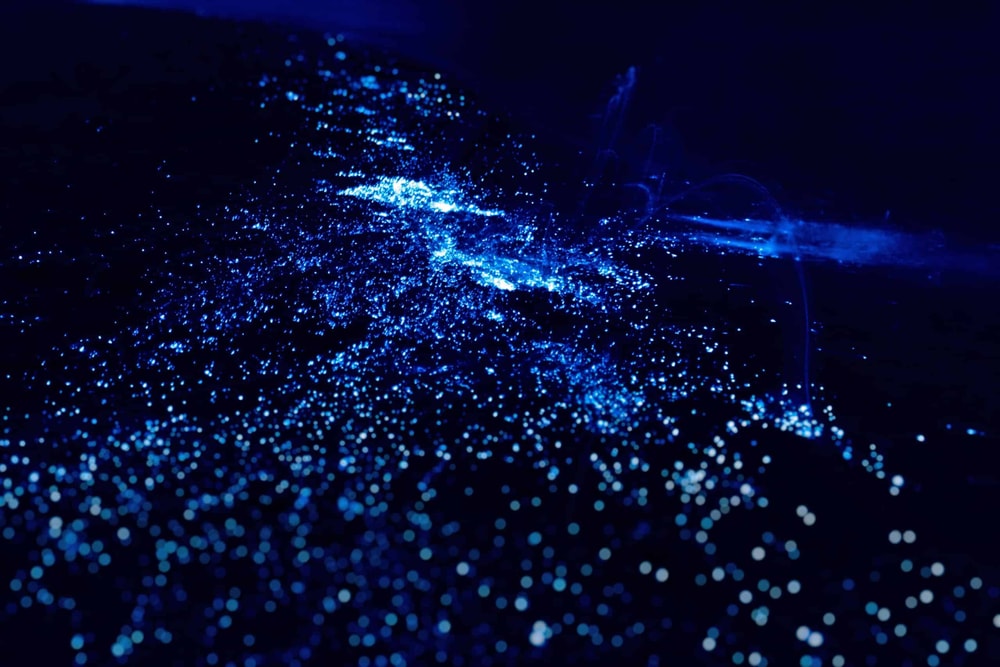
Our kayak tours are always different with a diversity of visual display seen on our tours. Sometimes the bioluminescence is so thick it appears like a magic glowing carpet on the surface of the water. At other times through the year bioluminescence simply sparkles fantastically in lower densities.
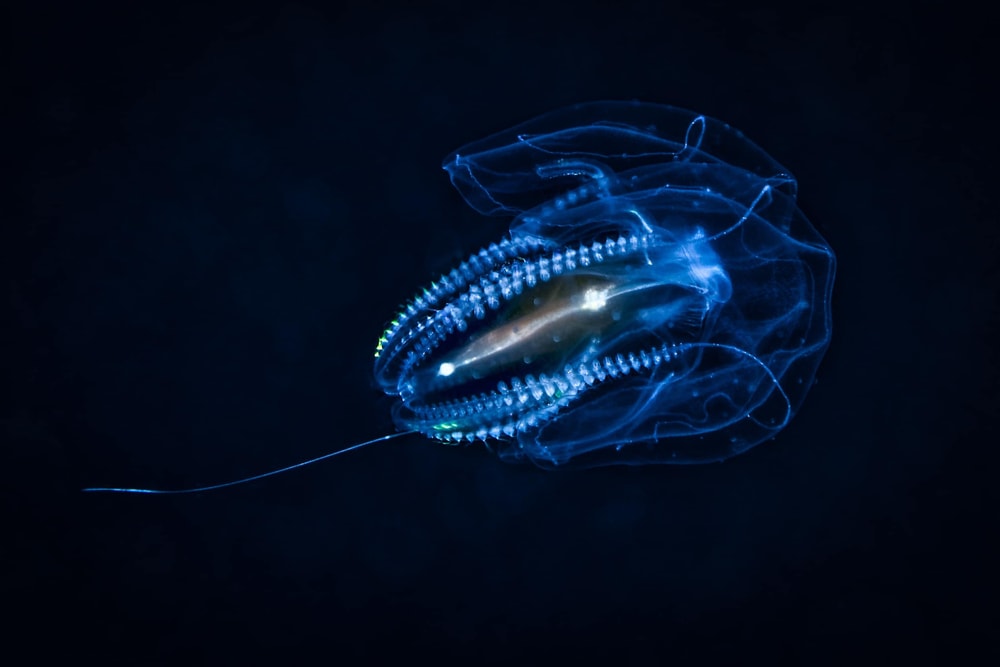
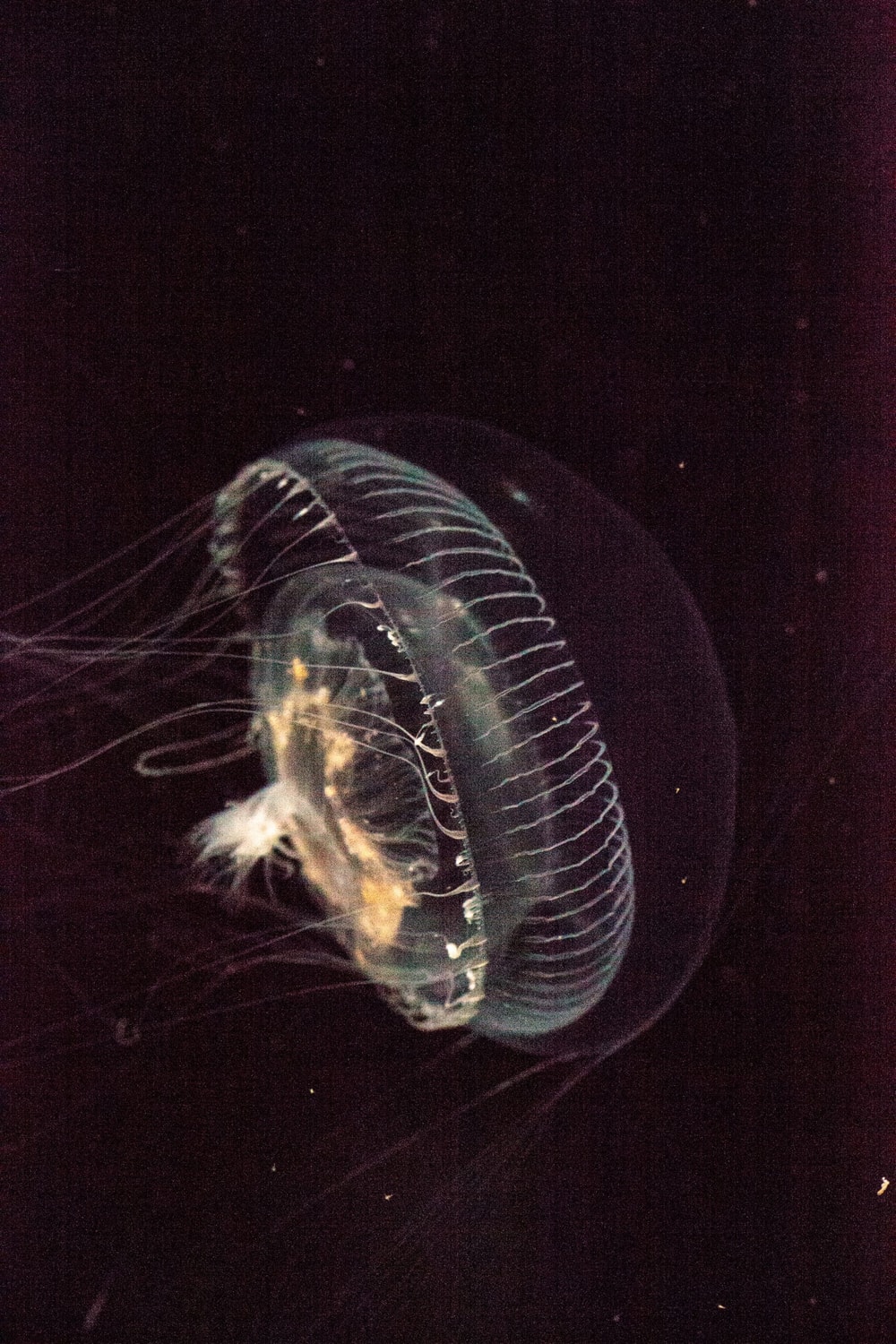
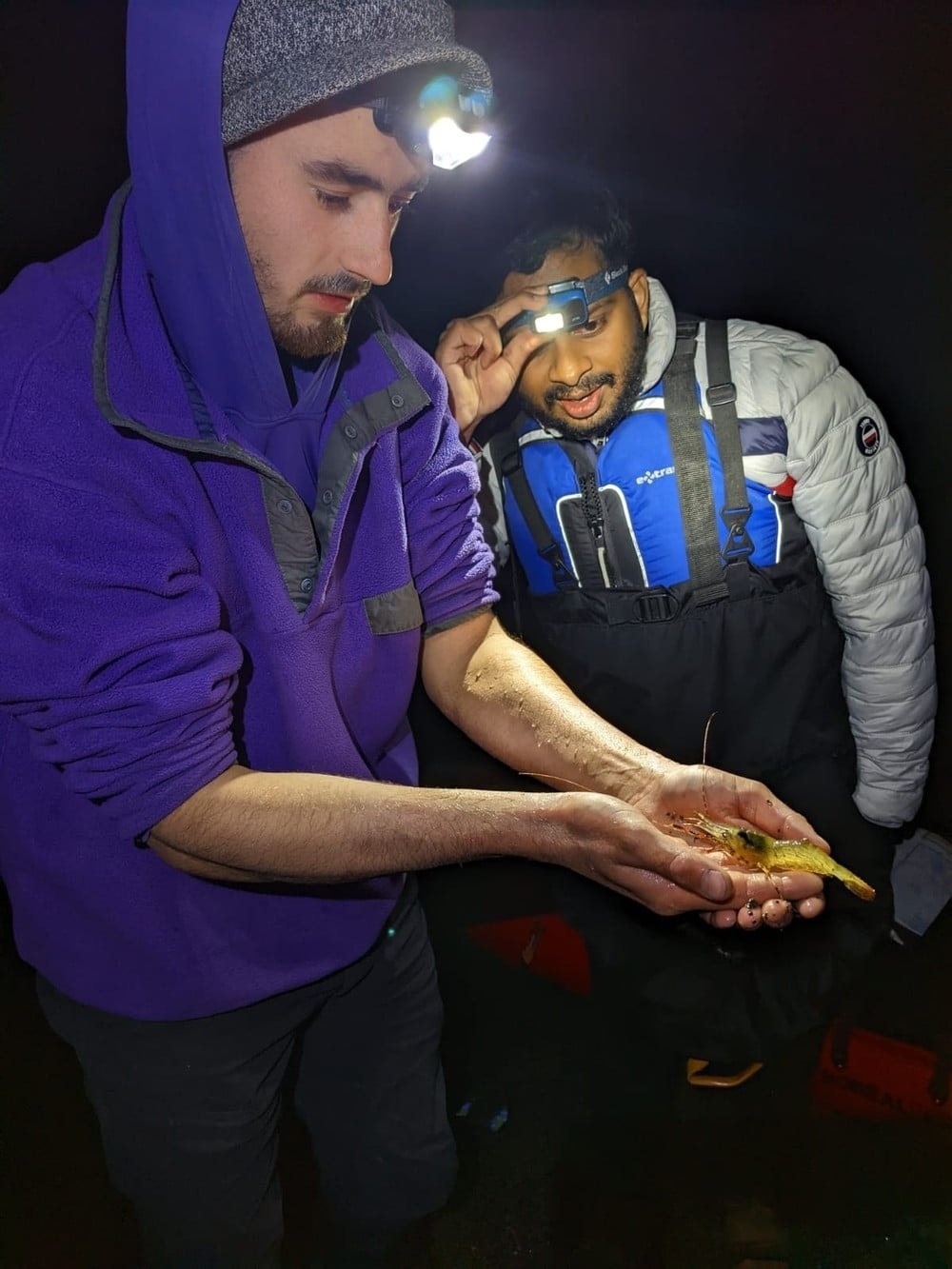
In addition to bioluminescence we will sometimes see the following creatures glowing in the water:
- dock shrimp
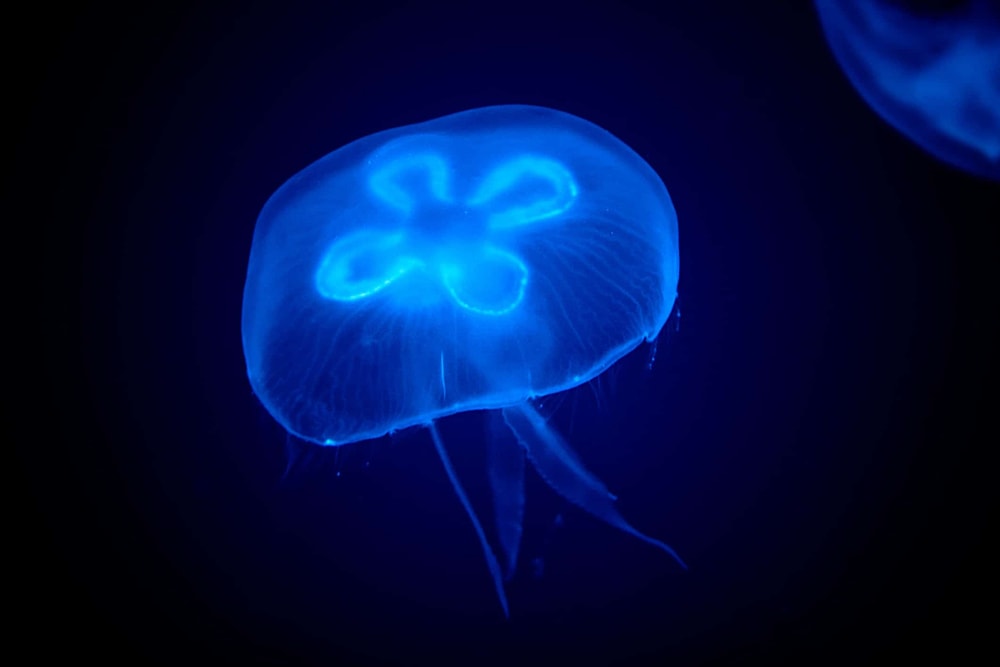
- jelly fish
- ctenophores
- porpoise
- seals
- and even orca whales!
Bioluminescence is a biological light display that produces no heat. It is created by special protein and enzyme combinations found that evolved in organisms ranging from fungi to fish. Some glow continuously while others can carefully control their light in unique displays.
In the sea, most bioluminescence is produced by plankton – organisms that drift on the currents. These include pulsating “jellyfish”, clusters of salps, and even masses of mating marine worms!
The largest majority, though, are microscopic creatures that use sunlight for energy during the day.
By night they release sparkles of light when disturbed by the movements of fish, seals, kayaks and waves.
One theory for why bioluminescence occurs is called “The Enemy of my Enemy is My Friend hypothesis”. The way it works is that by releasing light when a predator gets closer, they have a chance of illuminating an alternative target to be devoured. Or the predator itself could be illuminated and be eaten by a larger one! Jellies may use their light to attract prey like moths to a candle. Others, such as nerius worms use their glow to attract mates – very sexy!
Bioluminescence is a strictly biological phenomenon. Phosphorescence also produces no heat, but differs by releasing light that was absorbed by a chemical process. The reason you may hear some people use the wrong term is because soldiers in World War II saw light in the sea of the same color as their phosphor tracer bullets. Not knowing any biology, they mistakenly called it “phosphorescence” and the improper name stuck for decades afterwards.
Bioluminescence and the lunar cycle have a strong relationship. A bright full moon will make the glowing organisms seem dimmer. Oppositely, a dark new moon will allow the full glory of bioluminescent organisms to shine! The “in-between” phases of the lunar cycle offer moderate displays. To increase your chances of seeing a good bioluminescence display on your kayak trip with Sea Quest, use the lunar calendar below and select a date with a darker moon. If you must pick a date with a partial moon, go when the moon is in the “third-quarter” of the cycle. The moon is waning (becoming smaller) and rising later at night at this time. The “first-quarter” moon is waxing (expanding) and rises well before the sun sets.
Because of the abundant sunlight and warmer surface waters, the months of June, July, and August are ideal. However, there is still a chance of discovering displays in late spring and early fall.
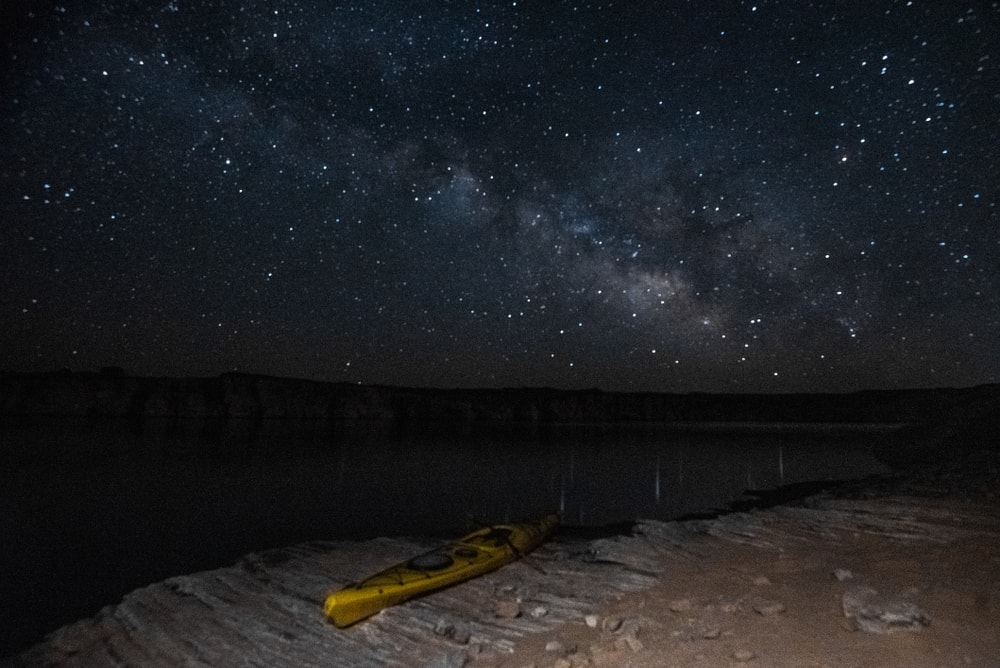
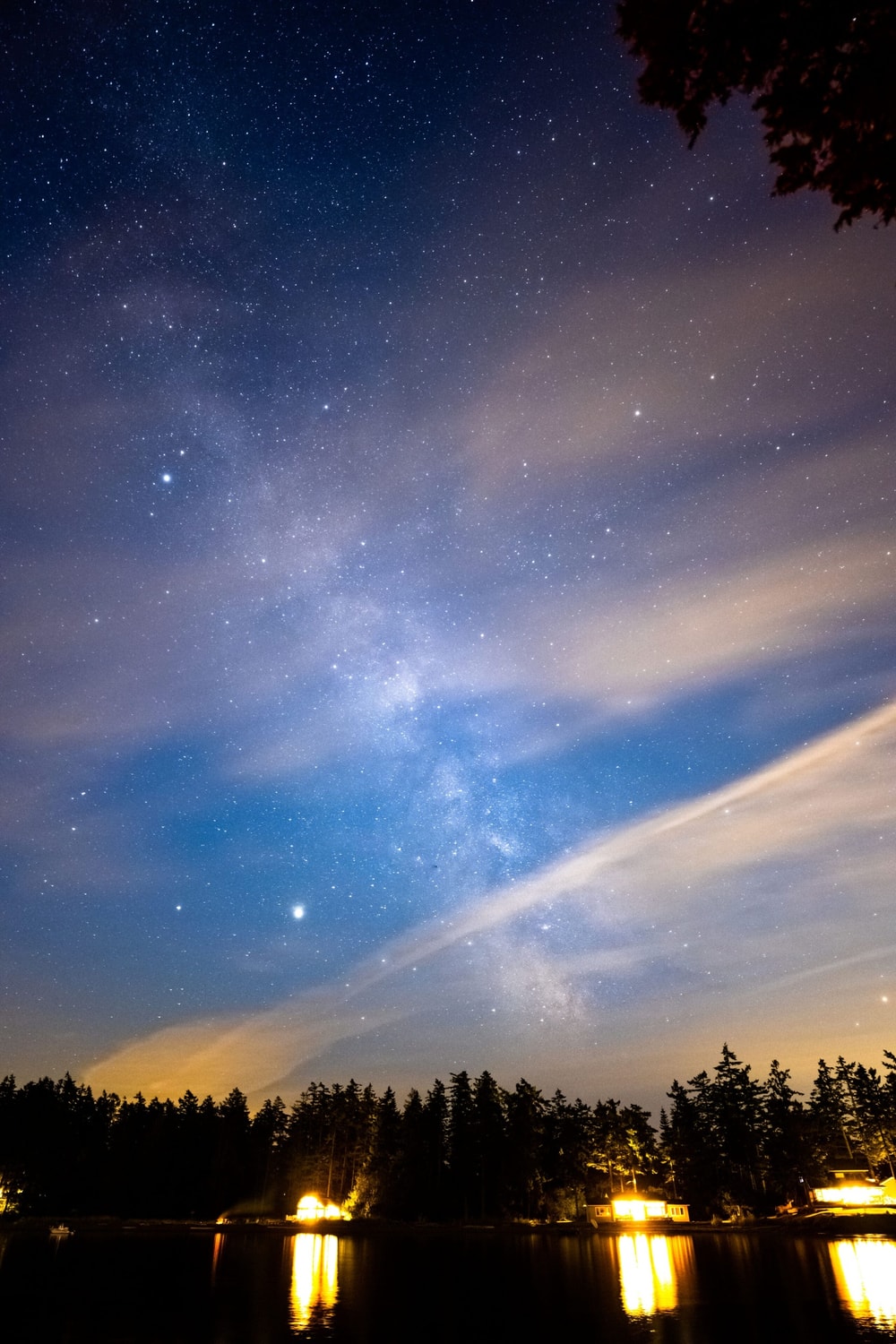
Best dates for star-gazing and bioluminescence:
- April 1-3, 21-30
- May 1-3, 21-31
- June 1-2, 19-30
- July 1-2, 18-30
- August 1, 16-29
- September 14-28
- October 13-28
Best dates for romantic moonlight kayak tours:
- April 4-20
- May 4-20
- June 3-18
- July 3-17
- August 2-15, 30-31
- September 1-13, 29-30
- October 1-12, 29-31