

Kayaking with orcas in the San Juan Islands is one of those experiences people hear about and quietly wonder if it is actually real. The short answer is yes, it can happen here. But it happens on nature’s terms, not on a schedule, and that is what makes it meaningful.
From late spring through early fall, orcas move through these waters following salmon runs, with the highest chances of sightings typically between June and August. Encounters are never guaranteed, and they should not be. Responsible kayaking near orcas is guided by strict wildlife regulations, patience, and respect for distance. When it does happen, it is calm, quiet, and unforgettable.
Sea Quest Kayak Tours has been guiding paddlers in the San Juan Islands since 1988, with a focus on education, safety, and conservation first. Their approach is not about chasing wildlife or selling promises. It is about understanding this ecosystem, reading conditions on the water, and creating space for natural moments to unfold.
Even on days when orcas do not appear, the experience remains rich. Harbor seals, bald eagles, and the stillness of island waters often leave just as strong an impression. This is kayaking as it is meant to be experienced, grounded, respectful, and deeply connected to place.
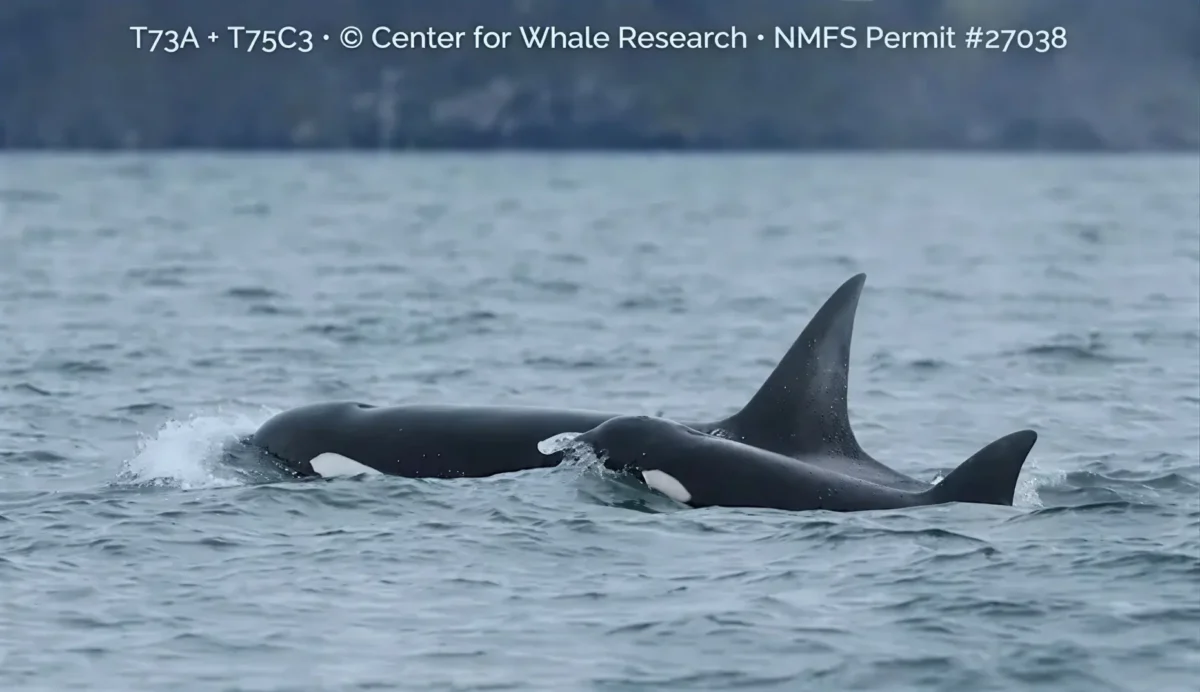
Can You Kayak With Orcas in the San Juan Islands?
Yes, kayaking with orca whales is possible in the San Juan Islands, but it happens under very specific conditions. Orca encounters are seasonal, regulated, and never guaranteed. Understanding that reality is essential to appreciating the experience for what it truly is.
The San Juan Islands sit within the Salish Sea, a biologically rich stretch of water that supports salmon runs, harbor seals, bald eagles, and several whale species. Orcas move through this region as part of their natural feeding patterns, not for human activity. When kayakers encounter them, it is because they are passing through, not because they were sought out.
Sea kayaking offers a quieter, lower-impact way to observe marine wildlife. Unlike motorized whale watching, kayaks do not pursue or surround animals. Federal regulations require paddlers to maintain a minimum distance of 300 yards from orcas at all times. Ethical operators follow these rules strictly and adjust routes when whales are present.
This matters because the San Juan Islands are not an attraction built around wildlife. They are a living ecosystem. Kayaking here is about patience, awareness, and respect. When an orca encounter happens, it feels rare and earned, not staged. That difference is what draws people to this experience in the first place.
When Are Orcas Seen While Kayaking in the San Juan Islands?
Orca sightings while sea kayaking in Washington State are most common between April and October, with the highest likelihood occurring during the summer months. June through August often bring increased activity as salmon populations move through the Salish Sea, drawing orcas into the region.
Two primary orca populations pass through these waters. Southern Resident orcas tend to appear more frequently during late spring and summer, while Bigg’s orcas, also known as transient orcas, may be seen at various times of the year as they hunt marine mammals. Gray whales may also be spotted during migration seasons, adding to the diversity of marine wildlife.
Timing matters, but it is not everything. Weather patterns, tides, and food availability all influence where whales travel on any given day. Morning conditions are often calmer, which can improve visibility and paddling comfort, but sightings are never predictable.
This uncertainty is not a drawback. It is part of what makes kayaking in the San Juan Islands feel grounded and real. On days without whales, kayakers often encounter harbor seals resting on rocks, bald eagles soaring overhead, and quiet stretches of water that pass through marine state parks and island shorelines. The experience remains rewarding because it is rooted in observation, not expectation.
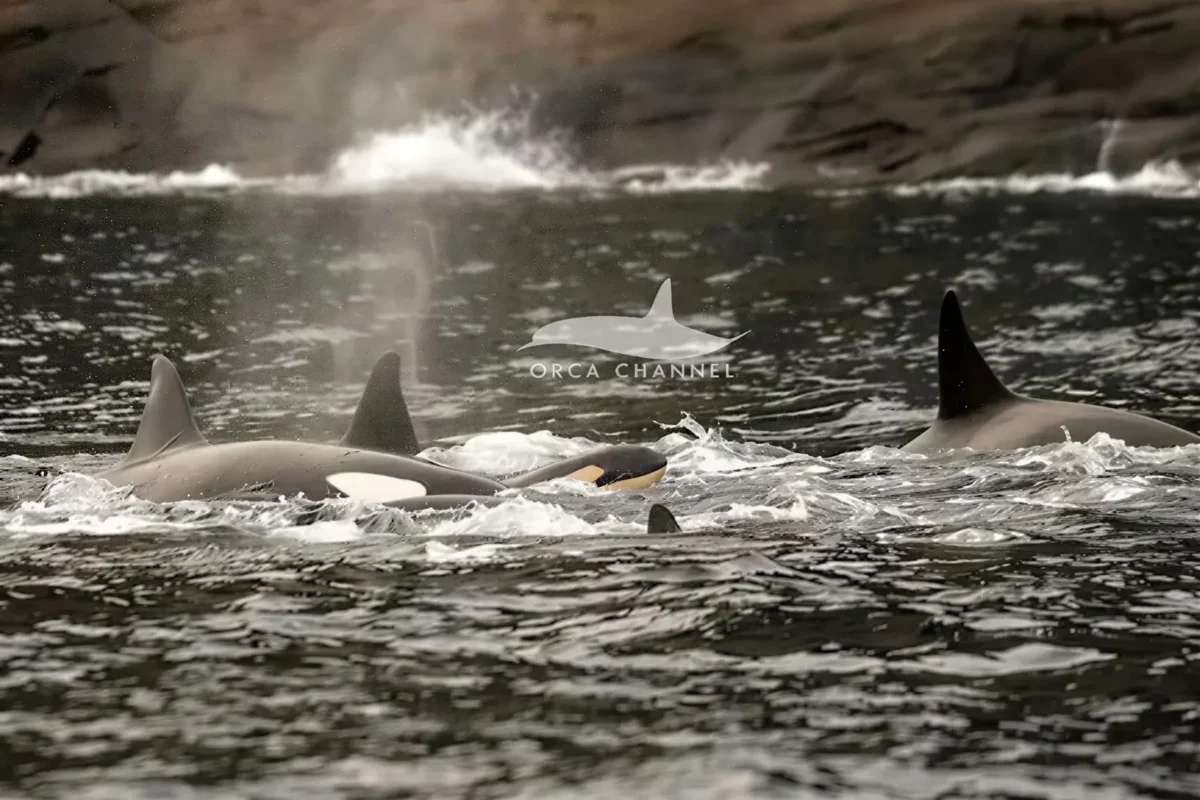
Is It Safe to Kayak Near Orcas?
Kayaking near orcas can be safe when done responsibly and within the law. Federal regulations require all vessels, including kayaks, to remain at least 300 yards away from orca whales. These rules exist to protect both wildlife and people, and they shape how ethical kayak trips operate in the San Juan Islands.
Sea kayaks are quiet and non-intrusive, which reduces stress on marine animals compared to motorized boats. That said, quiet does not mean harmless. Orcas are powerful, fast-moving animals, and their behavior can change quickly. Safety depends on maintaining distance, reading conditions, and avoiding actions that interfere with natural movement.
Experienced kayak guides play a critical role here. They monitor weather, currents, and wildlife activity throughout the trip. If orcas are present, routes are adjusted to maintain space rather than seek proximity. The goal is observation, not interaction.
Participants are also briefed on on-water behavior, including how to paddle calmly, avoid sudden movements, and respond if marine wildlife passes nearby. Small, well-managed groups allow guides to make decisions quickly and keep everyone aligned.
When safety is treated as part of conservation, kayaking becomes one of the most respectful ways to experience whale country.
Why the San Juan Islands Are One of the Best Places for Orca Kayaking
The San Juan Islands offer a rare combination of protected waters and thriving marine life. Sheltered channels, coves, and shorelines create ideal conditions for sea kayaking, even for those with limited experience. These same features support an ecosystem that attracts whales, seals, seabirds, and fish throughout the year.
Islands such as Orcas Island, Lopez Island, Turn Island, and Outer Island sit within migration corridors used by orca whales and gray whales. Marine state parks and undeveloped shorelines help preserve these habitats, limiting boat traffic and noise in key areas.
What sets this region apart is balance. The waters are accessible without being overdeveloped. Kayakers can move quietly through areas where harbor seals rest, bald eagles hunt, and kelp forests support life below the surface. This creates a sense of immersion that larger whale watch vessels cannot replicate.
The San Juan Islands also have a long history of responsible wildlife viewing. Regulations are enforced, and many local operators emphasize education and restraint. That culture matters. It ensures that kayaking remains a low-impact activity that prioritizes the health of the Salish Sea.
For paddlers seeking more than scenery, this region delivers depth, context, and connection to a living marine environment.
Why Guided Orca Kayak Trips Matter
Guided kayak trips matter because kayaking with marine wildlife is not just about paddling. It is about decision-making on the water. Conditions change quickly in the San Juan Islands, and knowing how to respond requires local knowledge and experience.
Kayak guides track tides, currents, weather shifts, and wildlife reports throughout the day. They understand how orcas move through the Salish Sea and how to position groups responsibly without disrupting natural behavior. This reduces risk and ensures encounters remain ethical.
Guided trips also provide context. Guides explain why certain areas are avoided, how regulations protect orcas, and what behaviors signal stress in marine mammals. This transforms the experience from a passive outing into an educational one.
Equally important is adaptability. When whales are not present, guides shift focus to other aspects of the environment. Harbor seals, seabird colonies, kelp forests, and island geology become part of the story. The trip remains engaging because it is not dependent on a single outcome.
For anyone serious about sea kayaking in whale habitat, guided trips offer structure, safety, and insight that self-guided paddling simply cannot match.
Sea Quest Kayak Tours and Their Approach to Orca Encounters
Sea Quest Kayak Tours has been operating in the San Juan Islands since 1988, long before kayaking with whales became a popular search term. Their approach is shaped by decades on these waters and a deep respect for the Salish Sea ecosystem.
Rather than focusing on promises or proximity, Sea Quest emphasizes awareness and restraint. Guides are trained naturalists who prioritize wildlife regulations, environmental conditions, and group management over spectacle. Decisions on the water are made conservatively, especially when orca whales are nearby.
Education is central to the experience. Guests learn how marine wildlife uses the region, why distance matters, and how kayaking fits into broader conservation efforts. This perspective helps paddlers understand their role as visitors, not participants in wildlife behavior.
Sea Quest also maintains a strong connection to local marine state parks and island routes, allowing trips to move through quieter areas near Lopez Island, Turn Island, and other protected zones. This reinforces a sense of place rather than a checklist experience.
The result is kayaking that feels grounded and intentional. It reflects a long-term commitment to marine wildlife and to sharing the San Juan Islands in a way that preserves what makes them special.
Ethical Orca Encounters and Conservation Practices
Ethical orca encounters begin with acceptance. Whales are not attractions, and their presence is never guaranteed. Responsible kayaking respects this by prioritizing distance, quiet observation, and flexibility.
Low-impact sea kayaking minimizes noise and wake, but ethics go beyond equipment. Kayakers must avoid positioning themselves in the path of whales or altering routes to follow them. Ethical operators teach participants how to remain calm and predictable on the water.
Conservation-focused trips also emphasize education. Understanding why orcas travel through certain areas, how salmon populations affect their movements, and what threatens their survival helps paddlers see the bigger picture. This knowledge fosters respect rather than entitlement. Learn more about Southern Resident orca recovery efforts and how you can support their conservation.
In the San Juan Islands, conservation is reinforced by regulation and community standards. Operators work within these frameworks to protect the long-term health of the Salish Sea. When kayaking is done responsibly, it becomes part of that protection rather than a burden on it.
Ethical encounters may be quieter and less dramatic, but they are more meaningful. They allow wildlife to behave naturally while offering humans a rare chance to witness it without interference.
Planning an Orca Kayaking Experience in the San Juan Islands
Planning a kayaking experience in the San Juan Islands starts with timing and expectations. Late spring through early fall offers the best conditions for paddling and potential whale activity, but flexibility is essential. Weather, tides, and wildlife movement all shape the day.
Choosing an operator that emphasizes safety and conservation helps ensure a meaningful experience. Look for trips that focus on education, responsible wildlife viewing, and local knowledge rather than guarantees. Review how to prepare for kayaking before your trip.
Preparation matters as well. Dressing for changing conditions, bringing food and water, and being open to what the day brings all contribute to a better experience. Kayak trips here are about immersion, not outcomes.
Beyond kayaking, the San Juan Islands offer opportunities to explore marine state parks, quiet beaches, and island communities. Combining time on the water with exploration on land creates a fuller understanding of this region.
Kayaking with orcas is not about chasing a moment. It is about being present in one of Washington State’s most remarkable marine environments and letting the experience unfold naturally.
Frequently Asked Questions
Can orca sightings be guaranteed?
No. Orcas are wild animals, and sightings depend on natural movement patterns. The experience is designed around observation, not certainty.
How close can kayakers get to orcas?
Federal law requires kayaks to stay at least 300 yards away from orca whales at all times.
Is sea kayaking suitable for beginners?
Many guided kayak trips are designed to be accessible, with instruction provided before and during the outing.
Are orca kayak trips ethical?
Yes, when conducted responsibly. Ethical trips follow Be Whale Wise guidelines, avoid pursuit, and prioritize conservation over proximity.
What other wildlife might be seen?
Harbor seals, bald eagles, seabirds, and sometimes gray whales are common sights in the San Juan Islands.