

Camping in the San Juan Islands is not the kind of trip you plan at the last minute. These islands reward preparation, patience, and a real respect for the landscape. Campgrounds are small, ferries fill up fast, and much of the land is carefully protected. That’s part of what makes camping here so special. When you wake up to quiet shorelines, salt air, and wildlife moving through the water just offshore, it feels earned.
From county parks with waterfront campsites to boat-access marine parks and more remote island camping, the San Juan Islands offer a range of ways to experience the outdoors. Choosing the right campground is the first step, followed closely by securing reservations early, especially during the busy summer season. Packing also matters more here than most places. Weather can shift quickly, services are limited, and self-sufficiency goes a long way.
Many campers pair their stay with time on the water, exploring the islands by kayak for a closer look at the Salish Sea. Local outfitters like Sea Quest Kayak Tours have been guiding visitors through these waters for decades, offering a deeper connection to the environment through responsible wildlife viewing and hands-on exploration.
With the right plan, camping in the San Juan Islands becomes more than a trip. It becomes an experience you carry with you long after you leave.
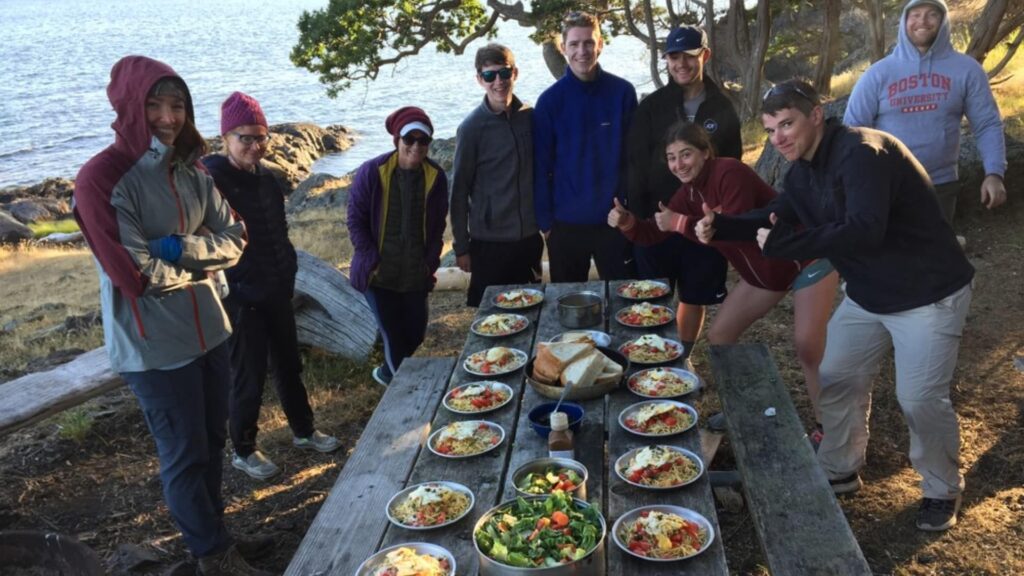
Discover the San Juan Islands
Camping in the San Juan Islands is not about showing up and figuring it out later. Limited campsites, a ferry system that fills quickly, and strict land use rules mean planning matters here more than in most Washington destinations. What you get in return is quiet shoreline mornings, wildlife encounters that feel unfiltered, and nights where the only sound is water moving through kelp.
Each island offers a different rhythm. San Juan Island centers around Friday Harbor, where you will find supplies, ferry access, and restaurants within a short drive of county parks. Orcas Island feels wilder, anchored by Moran State Park and long forested roads that lead to high viewpoints. Lopez Island is flatter and slower, known for bike friendly roads, Odlin County Park, and easy access to the water. Shaw Island is the quietest of the four, with limited services and a true unplugged feel.
Between campsites, the islands reward simple days. Paddle protected bays, walk shoreline trails, visit small farms, or sit through a long sunset without feeling rushed. Orca sightings are possible from shore or kayak, especially in summer, but the real draw is how quickly life slows down here. This is a place where fewer plans often lead to better days, as long as the logistics are handled first.
Overview of Camping Options in the San Juan Islands
Camping in the San Juan Islands falls into three clear categories: county campgrounds, Washington State Parks, and marine or wilderness camping. Choosing the right one depends on whether you have a vehicle, a boat, or just a tent and a ferry reservation.
County parks like San Juan County Park, Odlin County Park on Lopez Island, and Shaw County Park are the most accessible. They work well for driving in campers and walking on ferry travelers. These sites offer basic amenities, designated fire pits when allowed, picnic tables, and easy access to beaches. They are ideal for first time island campers who want structure without feeling crowded.
State parks, including Moran State Park and Obstruction Pass State Park on Orcas Island, provide larger trail systems and forested campsites. These are better for longer stays and travelers who want hiking and freshwater access near camp. Marine state parks are boat only and require more planning, but offer unmatched quiet.
RV camping is limited. The San Juan County Fairgrounds has a small number of RV sites with hookups near Friday Harbor. Private options like West Beach Resort offer cabins, hot tubs, and beach access but feel less like traditional camping. Wild camping outside designated areas is not allowed. Knowing what is permitted will save you time, money, and stress.
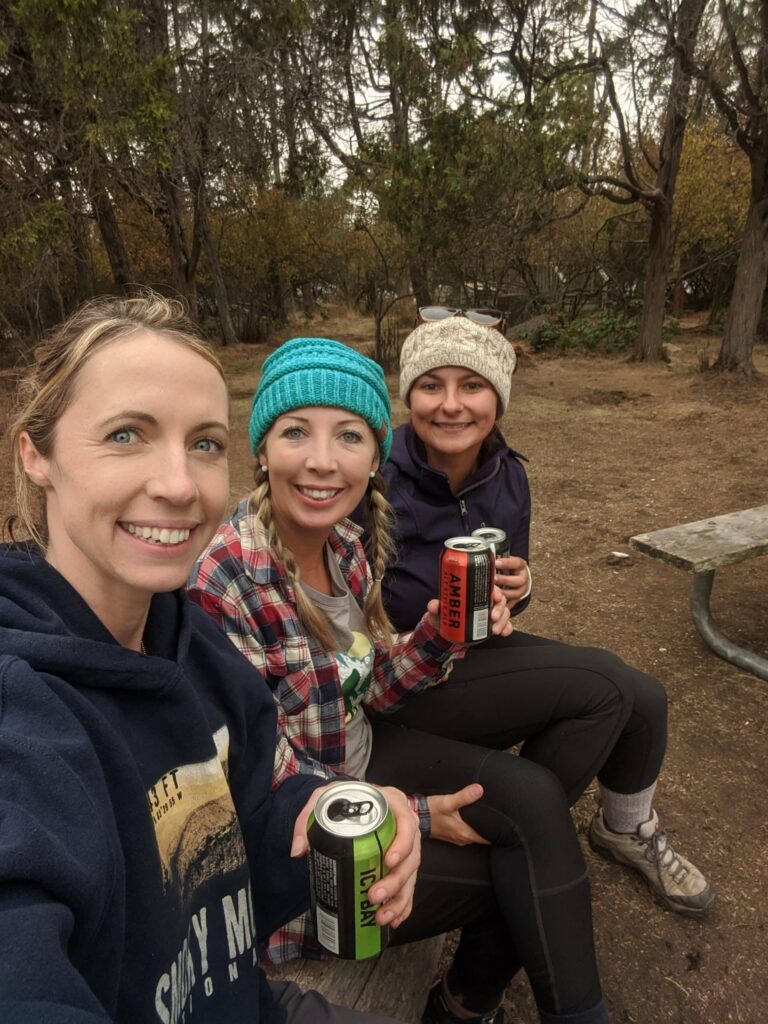
San Juan County Campgrounds: Which One Is Right for You?
San Juan County Park, San Juan Island
Best for first time campers and sunset views. Located on the west coast, this park offers water access, picnic shelters, fire pits when permitted, and easy driving access from Friday Harbor. Orcas are occasionally spotted offshore. Summer reservations are strongly recommended.
Odlin County Park, Lopez Island
Best for kayaking access and ferry convenience. Odlin sits minutes from the ferry landing, making it ideal if you do not want to drive far after arrival. The beach is calm, the sites are open, and it is one of the most paddle friendly county parks.
Shaw County Park, Shaw Island
Best for solitude and simplicity. No RVs, limited services, and first come first served sites make this a quiet option for experienced campers. Bring water and supplies. The reward is minimal noise and dark night skies.
San Juan County Fairgrounds RV Camping
Best for RV travelers who want hookups near town. Located close to Friday Harbor, this site offers showers and utilities but books quickly. It is practical, not scenic.
Firewood collection is prohibited across county parks. Quiet hours are enforced. Water availability can be seasonal, so always check current conditions before arrival.
Washington State Parks and Marine Camping
Washington State Parks add a different layer to camping in the San Juan Islands. Moran State Park on Orcas Island is the largest and most developed, with forested campsites, freshwater lakes, and access to Mount Constitution. It is the best option for campers who want long hikes, swimming, and space to spread out.
Obstruction Pass State Park offers a quieter, coastal alternative. It feels more remote despite being driven in, with shoreline access and fewer sites. It is a good choice for campers who value calm mornings and less foot traffic.
Marine state parks are boat only and include places like Jones Island. These sites are designed for kayaks and small boats, with shoreline camps and limited facilities. Tides, weather, and landing conditions matter here. You need to arrive prepared and self-sufficient. Many of these sites are part of the Cascadia Marine Trail.
Fire bans are common in summer and strictly enforced. Food storage rules are in place due to raccoons and birds. These parks reward preparation and respect for the environment. If you plan well, they offer some of the most memorable camping in the region.
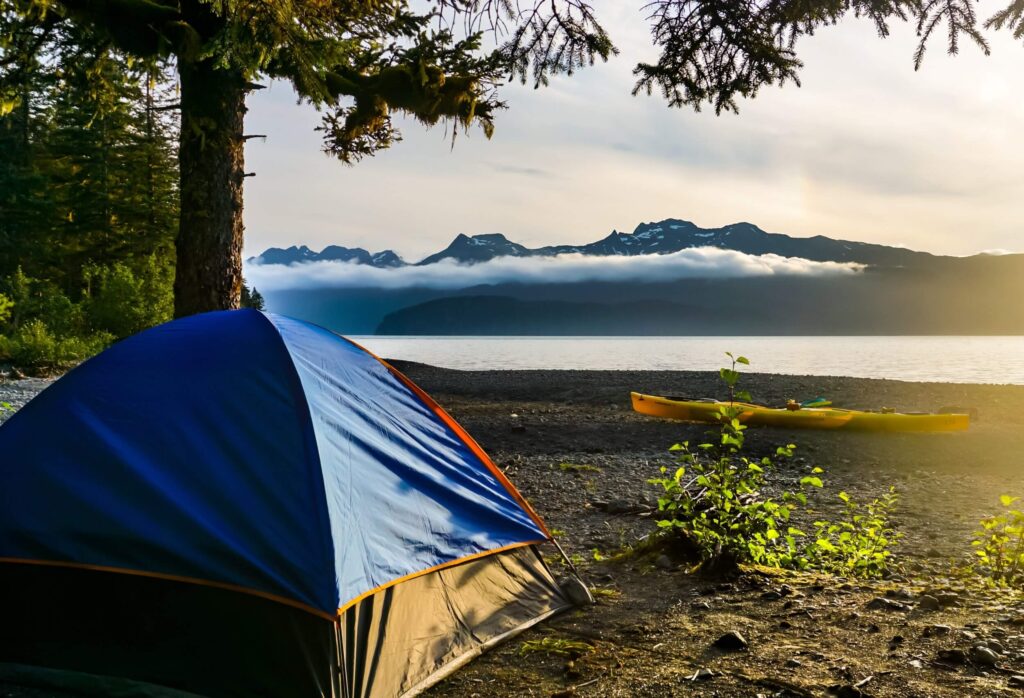
Wilderness and Refuge Camping: What Is Actually Allowed
True wilderness camping in the San Juan Islands is extremely limited. Most land is protected, privately owned, or regulated by the San Juan Islands National Wildlife Refuge. Camping is only allowed on select refuge islands and only in designated areas.
Access is by boat or kayak only. Permits may be required depending on location. There are no services, no fires, and strict wildlife protection rules. Food must be secured, and camps must stay well above tide lines.
This type of camping is best for experienced paddlers who understand navigation, tides, and weather changes. It is quiet, raw, and rewarding, but mistakes carry higher consequences. Let someone know your plan and exit timeline before you go.
If solitude is your goal, this is the furthest edge of what the islands allow. For most visitors, county or state parks provide a better balance of access and experience.
Getting to the San Juan Islands With Camping Gear
The Washington State ferry system is the single biggest planning factor for camping in the San Juan Islands. Ferries depart from Anacortes and serve San Juan Island, Orcas Island, Lopez Island, and Shaw Island.
Vehicle reservations are strongly recommended from late spring through early fall. Walk on passengers have more flexibility but still need to arrive early, especially with camping gear. Missing a ferry can mean waiting hours or overnight.
Arrive at the terminal at least ninety minutes early with a vehicle. Follow loading instructions carefully. Once you are on the islands, services are limited late at night, so plan your arrival time around campground check in rules.
If you plan to paddle, some campers combine ferries with kayak rentals or guided trips. This is where Sea Quest Kayak can be a practical option for visitors who want local knowledge and safe launch planning without bringing their own boats.
How to Reserve Your Campsite
Camping in the San Juan Islands almost always requires advance reservations between May 15 and September 15. County parks such as San Juan County Park, Odlin County Park, and Shaw County Park use the San Juan County Parks reservation system. Washington State Parks, including Moran State Park and Obstruction Pass State Park, book through the state platform. These systems are separate, so make sure you are booking through the correct site.
First come, first served campsites do exist, but they are unreliable during peak season. In summer, arriving without a reservation is a gamble, especially on San Juan Island and Orcas Island. If your travel dates are fixed, book as early as possible. If you have flexibility, midweek stays and shoulder season dates in May or September are easier to secure.
Before you arrive, confirm details that affect your stay. Check whether drinking water is available, whether fire pits are open, and what quiet hours are enforced. These rules vary by campground and can change seasonally. Save or print your reservation confirmation since cell service can drop once you leave ferry terminals.
If everything is booked, adjust islands instead of dates. Lopez Island and Shaw Island often have better availability and still deliver a full island camping experience.
What to Pack for Camping in the San Juan Islands
Packing for the San Juan Islands means planning for comfort and self sufficiency. Mornings and evenings are cool even in July and August, so bring warm layers, a waterproof jacket, and a sleeping bag rated for colder temperatures. Weather can change quickly, especially near the water.
Food storage is not optional. Raccoons are bold and experienced, and they will get into unsecured food. Use sealed containers and store food inside vehicles or approved storage areas when available. Do not plan on buying firewood on site, and never collect it. Bring firewood only if fires are allowed at your campground.
Water access varies. Some parks have seasonal shutoffs or limited supply, so bring extra drinking water if noted in your reservation details. A headlamp, backup battery, and printed maps are smart additions since power and service are not guaranteed.
If kayaking is part of your trip, dry bags and quick drying clothing are essential. Be aware of cold water risks and dress appropriately. Focus less on novelty gear and more on comfort. Good meals, warm clothing, and a solid camp chair make downtime far more enjoyable.
Sea Quest Kayak and Camping Based Adventures
For campers who want to explore the water without guessing at conditions, Sea Quest Kayak offers guided experiences built around safety, education, and local knowledge. Their guides understand the San Juan Islands in practical terms, including tides, wind patterns, marine traffic, and wildlife behavior.
This is especially useful for campers staying near launch friendly locations such as Odlin County Park or San Juan County Park. Guided trips add context to the experience, helping paddlers recognize what they are seeing and why certain areas are treated with extra care, particularly in orca habitat.
Many campers find that pairing a campsite with a guided kayak day becomes the highlight of their trip. It turns time on the water into something more intentional and informed, deepening the overall island experience without adding stress or guesswork.
Frequently Asked Questions
What are the best camping sites in the San Juan Islands?
Some of the top camping spots include Moran State Park on Orcas Island, San Juan County Park on San Juan Island, and Lopez Island’s Odlin County Park. Each site offers unique views and amenities.
What should I pack for a camping trip in the San Juan Islands?
Make sure to bring a tent, sleeping bag, cooking equipment, food, water, and clothing for various weather conditions. Don’t forget bug spray and sunscreen, as well as any special gear for activities like hiking or kayaking.
How do I get to the San Juan Islands for camping?
You can reach the San Juan Islands by taking a ferry from Anacortes, Washington. There are several ferry routes, so check the schedules for the best option. Some private floatplanes also offer flights to the islands.
What activities can I do while camping in the San Juan Islands?
You can enjoy plenty of outdoor activities like hiking, kayaking, whale watching, and fishing. Exploring the local wildlife and taking in the stunning scenery are also popular pastimes.
What is the best time of year to go camping in the San Juan Islands?
The best time for camping is usually late spring to early fall, particularly from May to September. This period offers pleasant weather and a range of outdoor activities, but be mindful of the crowds.