Join a Kayak Quest for Whales Today!
Sea Quest conducts nightly bioluminescence kayaking excursions in Bellingham Bay and departing from Larrabee State Park. You don’t need previous experience to join our bioluminescence kayak tours, which present an opportunity to witness some of nature’s most dazzling light displays! Below our kayaks, the nutrient-rich waters of Bellingham Bay foster plankton that emits twinkling lights. Meanwhile, our rain-shadow ensures clear skies, offering the clearest nights in western Washington. We guarantee that kayaking amidst bioluminescence will create memories that last a lifetime!
Come experience the enchantment of Bellingham Bay with Sea Quest’s bioluminescence night kayaking tours, available every evening after sunset. Our experienced kayak guides will accompany you as you venture into the coastal waters, revealing the captivating beauty of the night. Witness a mesmerizing display of bioluminescent organisms, from plankton to jellyfish and shrimp, lighting up the darkness around you. Don’t miss this opportunity to immerse yourself in one of nature’s most extraordinary wonders – book your Bellingham Bay bioluminescence night kayaking tour with Sea Quest today!
Set off on an enchanting voyage through Larrabee State Park‘s waters with our bioluminescence night kayaking expeditions. As dusk descends, our seasoned guides will escort you on a memorable journey through the park’s coastal splendor amidst the nighttime ambiance. Behold the breathtaking variety of bioluminescent organisms, ranging from minuscule plankton to elegant jellyfish, casting their radiant glow across the darkened waters. Join us at Larrabee State Park for a captivating encounter that will inspire wonder in the marvels of the natural world. Secure your bioluminescence night kayaking expedition with us today!
Night kayaking in Bellingham is open to all with an adventurous spirit and is exceptionally secure. No prior experience is required for our guided night kayak tours. In fact, numerous Bellingham visitors embark on their first kayaking adventure at night with Sea Quest. Our skilled night kayak guides curate a secure, educational, and enjoyable tour. Soon, you’ll be confidently paddling in the safest waters, boasting the highest phytoplankton densities and the best chances of witnessing vibrant bioluminescence! Seize the opportunity to indulge in a night kayak adventure with Sea Quest!
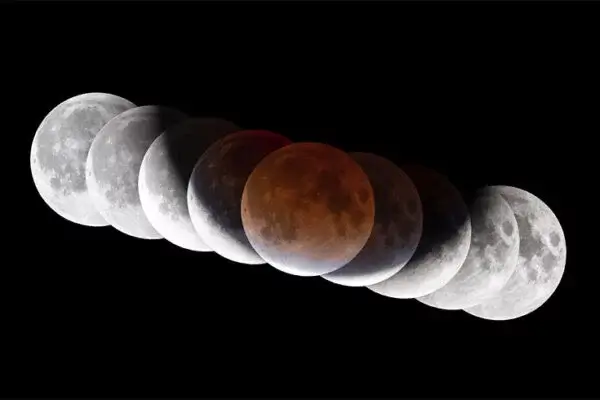
Bioluminescence and the lunar cycle share a strong correlation. A bright full moon will diminish the glow of organisms. Conversely, a dark new moon will reveal the full brilliance of bioluminescent organisms! The “in-between” phases of the lunar cycle provide moderate displays. To enhance your chance of encountering impressive bioluminescence on your Sea Quest kayak trip, consult the lunar calendar on this page and choose a date with a darker moon. For a glimpse of a partial moon, opt for the third quarter phase. During this phase, the moon wanes and rises later at night. The first quarter moon rises well before sunset, making it less visible.

June, July and August are best due to plentiful sunlight and warmer surface waters. But there is still the potential of seeing displays in late spring and early fall.
Bioluminescence, a mesmerizing natural phenomenon, generates light without heat. It originates from unique protein and enzyme combinations present in organisms spanning from fungi to fish. While some emit light in singular hues, others showcase a vibrant spectrum of colors.
In aquatic realms, plankton, those drifting organisms, are the primary producers of bioluminescence. These encompass undulating “jellyfish,” clusters of salps, and even congregations of mating marine worms! Predominantly, dinoflagellates, tiny organisms reliant on sunlight for energy by day, create luminous displays at night when stirred by the motion of fish, seals, kayaks, and waves.
One proposed explanation for the occurrence of bioluminescence is known as “The Enemy of my Enemy is My Friend hypothesis.” When a predator approaches, these organisms emit light, potentially diverting the predator’s attention to another target for consumption. Alternatively, the predator itself could become illuminated, making it more visible and susceptible to being preyed upon by a larger predator! For example, jellyfish might utilize their light to attract prey, akin to moths being drawn to a candle. Meanwhile, other organisms, like nerius worms, employ their glow as a means of attracting mates – very sexy!
Bioluminescence is an exclusively biological occurrence, distinguished by its emission of light without generating heat. In contrast, phosphorescence also lacks heat production but arises from light released through a chemical process after absorption. The confusion between the two terms can be traced back to World War II, where soldiers, observing light in the sea akin to their phosphor tracer bullets, erroneously dubbed it “phosphorescence.” Despite the misnomer, it persisted for decades due to their lack of biological knowledge.
3 hours
All Group Sizes
All Ages
Beginner Friendly
$139
Every Evening Every Day
San Juan Islands, WA
(437 Reviews)
Schedule: Bioluminescent Kayak Tour offered daily.
Trip Fee: $139 per person plus 8.3% state tax & $10 government launch fee. On rare dates, the fee is $159 due to limited resources, and this will be noted in the online reservation system.
Meeting Place: Bellingham, Washington. Rendezvous at a central meeting point such as Squalicum Harbor, Fairhaven Park or the Bellingham Community Boating Center before driving to either Bellingham Bay or Larrabee State park where we launch all our Bellingham kayak tours.
Meeting Time: Bioluminescence kayak trips usually begin at sunset. Note that the trip start times in our reservation system vary with seasonal daylight hours. Our online reservation system will indicate the exact meeting time if you enter a specific date. If the times don’t work for you, we may be able to change them to meet your needs so feel free to ask!
Itinerary: Our shuttle van takes you to the launch beach. The drive takes between 5 to 25 minutes. We provide a one hour kayak lesson on the beach. This lesson familiarizes everyone with the basic skills before we launch the sea kayaks in the dark. We then explore for about 1½ hours, covering 1 to 2 miles during the kayak adventure. We will paddle at a leisurely pace in search of good areas. If we find a rich spot we will float there to soak in the experience and look for the glowing outlines of fish of and seals. Remember to bring a headlamp or flashlight but turn it off to enjoy the bioluminescence!
Finish Time & Place: Bellingham Washington; 3 hours after we pick you up.
Total Time: Approximately 3 hours from meeting your guides to finish. Be aware that our weather, winds or currents can occasionally delay us!
WE PROVIDE THE FOLLOWING:
Sea kayaks, all related sea kayaking trip gear, safety equipment, transportation to and from Bellingham and the launch beach, instruction and expert guides.
WHAT YOU NEED TO BRING:
Suitable clothing and footwear for the beach, water bottle, HEADLAMP. Bring a warm sweater and rain jacket if windy or rainy. Click prepare for a San Juan Islands kayak tour for some tips.
Bioluminescence cannot be guaranteed. It can be suppressed by heavy winds or clouds that day. Views of the moon and stars may be obstructed by clouds, although these are rare July-September.
Our tours end well after dark. Make sure you book accommodations ahead of time for after your tour.
Our bioluminescent kayak tours in Bellingham are very popular and sell out quickly. However, there is always space available on our bioluminescence kayak tours in the San Juan Islands which offers arguably better displays and less light pollution!

National Geographic chooses our San Juan Islands Kayaking tours in “10 Best Trips in the World for 2011.”

Sea Quest Kayak Tours is on ABC News! See us Kayaking with Orca Whales in the San Juan Islands.

San Juan Islands Kayaking Trips in Killer Whale Waters of Washington – a World’s Top 10 Adventure Bargain!

National Geographic chooses our San Juan Islands Kayaking tours in “10 Best Trips in the World for 2011.”