

Amazing Society of Killer Whales: Similarities to Kayakers in San Juan Islands
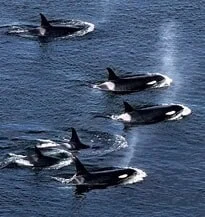
The ocean is a deep and dark place. Haro Strait, our primary kayak tour route in the San Juan Islands reaches depths of over 400 meters. We sea kayakers enjoy the sunlit realm at the interface of air of water. But below 200 meters, there is no light and it becomes pitch-black and intensely cold. Even something as strong and fearsome as a killer whale could get unnerved while swimming through these inky depths. The senses of hearing and touch become the only means of tracking friends, foes, and prey. Killer whales, perhaps better referred to by their old world moniker of orca, stick close together when they dive into this abyss. Orca whales stay within a few meters of each other during their deeper dives, often keeping their flippers in contact with each other. From our kayaks, we can see them do this at the surface during their sleep/rest periods when they are only partially conscious and must rely on body contact to avoid accidentally straying from the pod. It surprises many of our kayak tour guests to learn that orca whales are classified in the dolphin family and share all the physical and social characteristics of their smaller cousins. They live in extended family groups called pods (what we would call clans), which can include over 100 individuals in some regions of the world. Pods that are closely related to each other form communities that frequently hunt, play, and travel together in larger groups that we call super-pods. Nested social structures of this kind are rare in nature and speak of the high degree of intelligence that orca whales possess. We have 3 pods in our resident community In the San Juan Islands that number 82 whales currently. Historical evidence indicates that they once numbered close to 200 individuals before they were exploited by aquariums, persecuted by fisherman, and later subjected to dwindling prey and industrial toxins. Our local San Juan Islands population is considered genetically unique and has been listed under the Endangered Species Act as the twin problems of insufficient salmon (also endangered) and deadly toxins have not been alleviated. Social animals such as orca whales and sea kayakers spend a great deal of time maintaining their relationships. Our San Juan Island orca whales have a culture that features matriarch leaders, large bulls that ritually compete for breeding dominance (quite a sight as some of this involves penis jousting), and multi-generational support and rearing of young. They really aren’t that different from us kayak tour guides! In addition to the body rubbing, fin contact, and synchronized diving, there is a great deal of synchronized breathing. Matriarchs and their daughters and grand-daughters do this routinely, and the entire pod will synchronize breaths during sleep / rest. This is very similar to how we often naturally synchronize our paddles strokes on the kayak tours. The salmon-eating orca whales in the San Juan Islands chatter to each other constantly when they aren’t sleeping. Sometimes we can hear their vocalizations right through the hulls of our kayaks when they get close. On the other hand, orca whales that hunt intelligent mammals such as porpoises and seals usually remain very quiet just like wolf packs that want to avoid alerting prey. Each pod has unique calls that only they use, but the super-pods have a common language, much like the various tribes of the Coast Salish that used to live in the San Juan Islands. Orcas that live in different communities use completely different “languages” and it is not surprising that we see no interactions between orcas of different communities. In fact, within the waters of Washington state, we have three communities of killer whales that never socialize together salmon-eating “residents”, marine mammal-eating Bigg’s killer whales (now recognized as a unique species), and shark-eating “offshores”. Some of these communities have not interbred for over 100,000 years despite sharing the same waterways in the San Juan Islands. Echo-location works like both sonar and ultrasound. One of the most unique aspects of killer whale vocalizations, like those of the entire “toothed whale” suborder, is their ability to create super high frequency sounds in their melon, the organ that gives their foreheads that rounded appearance. These are broadcast outwards and the echoes reflect back off bottom contours, kayaks, fish, other whales, etc., and are received via an oil-filled jawbone and conducted to the inner ear. Their brains have a special area that processes these sounds into a 3D holographic image of their surroundings. This ability enables them to navigate in the dark ocean, find prey, and identify foes. Their echolocation clicks penetrate into living bodies and produce “images” of skeletal structures and air pockets from lungs and swim bladders. Not only can they identify each species they encounter, they can also use it like ultrasound to peer into their pod-mates bodies. This means there are no secrets in the orca whales’ society, as everyone will know about pregnancies, injuries, tumors, and more. Think how our own society of kayakers would change if we could glance at anyone and know these private and intimate details about them! Join a Kayak Quest for Orca Whales near Seattle, Washington Plan your own adventure with a Private Kayak Tour from Sea Quest.
Special 30% Price Discount for 2009 Baja Mexico Kayak Tours
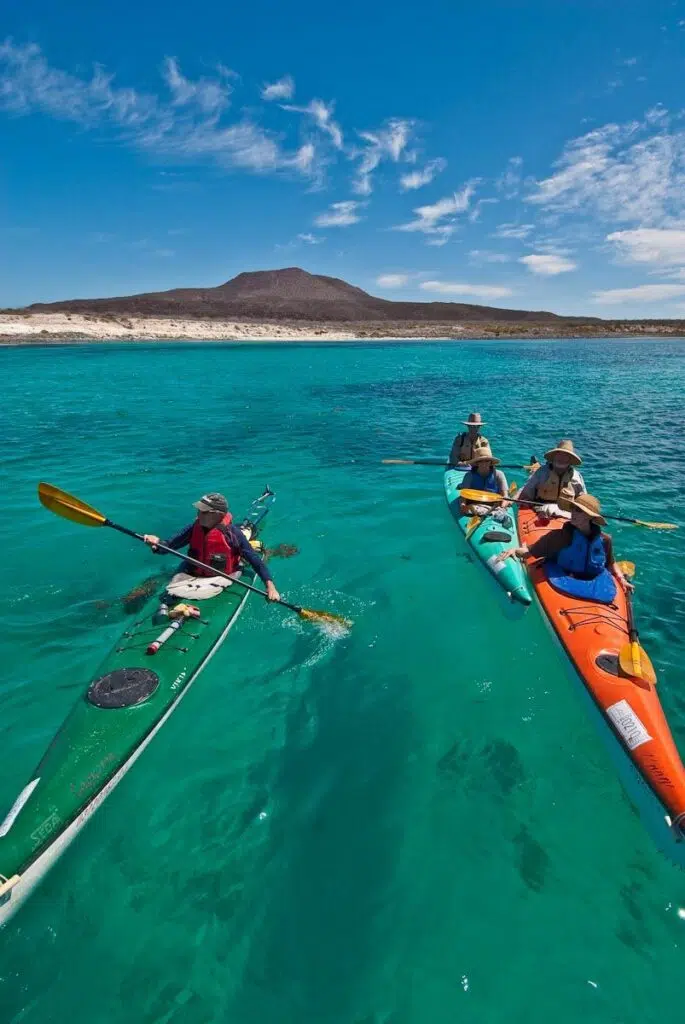
We have decided to extend our price discount for our Baja Mexico kayak tours that we announced last week. The special sale is for our most popular Mexico kayak trip, the Sea of Cortez Blue Whale Triangle Kayak Tour, the world’s best location to see a blue whale while kayaking! Until further notice you will receive a 30% discount on any Blue Whale Triangle Kayak Tour that departs in 2009 if your payments is received in the form of a check and 25% if by credit card. Plot your escape to the sunny beaches of the Baja wilderness today! Go snorkeling with tropical fishes and kayak in the world’s best whale watching waters while the savings are good. Reserve your Mexico Kayaking Vacation Now and Save! Want to see this firsthand? Join a Blue Whale Baja Kayak Trip.
Announcing New Online Reservation System for Sea Quest Guests
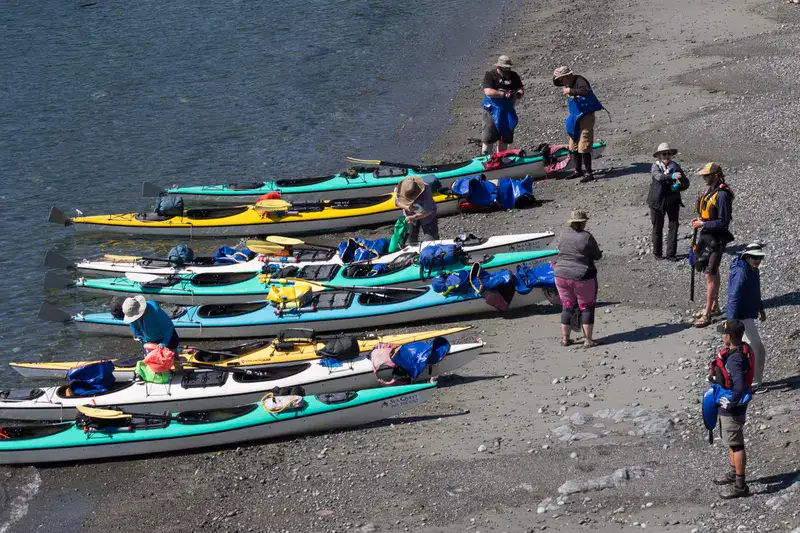
Thanks to the suggestions of our kayak tour guests, we have implemented an online reservation system for making reservations with Sea Quest. The hard work is mostly over and it is now operational for our San Juan Island kayak trips. In the next couple of days we will be adding the Alaska kayaking tours, the Washington birding tours, and Baja kayaking adventures. Please let us know if there any features that you would like to see added. The online reservation system will allow you to make your tour reservations using a credit card in just a few minutes without leaving our website. All transactions are completely secure, encrypted, and your personal information remains solely with us. We’ve done some serious testing, including a security audit by the credit card companies, and everything is working very well. But please let us know if you experience any problems and our team will get on it immediately! If you want to pay by check you will have to use the “old-fashioned” pen and paper method that we have been using for 20+ years as a tour operator. Our reservation page still allows you to download the form if you prefer to pay with check or money order. Of course, you can always call us to initiate any type of reservation and to ask us questions about our trips and tours. See you outside this spring and summer! Try our Online Reservation System Now – Make Your Kayak Tour Reservations in Minutes! Turn this into your own trip — book a Custom Kayak Trip.
Template for SEO Blog Posts 2024
In the vast expanse of the Salish Sea off Washington, the inaugural sighting of the season’s first baby humpback whale has ignited excitement. Here at Sea Quest Kayak Tours, we are excited by the possibility to see humpback whales from our kayaks! Images captured by Eagle Wing Tours showcases the tender bond between the calf and its mother, Black Pearl, spotted near San Juan Island on April 18. The Pacific Whale Watch Association shared the news, emphasizing the thrill of anticipating which mother-and-calf pair will arrive first each year. Executive Director Erin Gless expressed delight in encountering Black Pearl, known for frequenting the waters near north Vancouver Island during the summer. Estimated to be between three to four months old, the calf marks another addition to Black Pearl’s lineage, having birthed at least three previous calves. For a chance to see whales from a kayak, join a kayak tour in the San Juan Islands with Sea Quest Kayak Tours. Outer Island Excursions also captured moments of the humpback duo gracefully navigating the sea. Each year, humpback whales embark on extensive journeys to warmer climates in Hawaii, Mexico, and Central America for mating and calving, before returning to cooler feeding grounds in the summer, as noted by both the Pacific Whale Watch Association and the National Oceanic and Atmospheric Administration (NOAA). The Salish Sea, situated between Washington and British Columbia, Canada, serves as a vital corridor for these majestic marine mammals. Humpbacks are one of a few species of Baleen Whales that call the San Juan Islands their home! Paddle these waters yourself on a Luxury Kayak Camping trip.
Best Time to Spot Whales on a San Juan Islands Kayak Tour
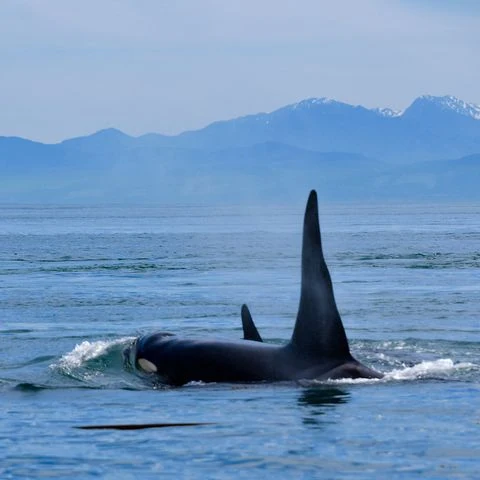
Whale watching in the San Juan Islands is a bucket list item for many adventure seekers. Imagine gliding silently through the pristine waters, surrounded by breathtaking scenery, and suddenly witnessing the sight of orcas breaching the surface. For those planning a kayak trip in the San Juan Islands, timing is crucial for maximizing the chances of encountering these magnificent creatures. In this guide, we’ll explore the best time to spot whales on a San Juan Islands kayak tour and how you can make the most of this unforgettable experience. Understanding Whale Migration Patterns Before delving into the best time for whale watching in the San Juan Islands, it’s essential to understand the migration patterns of these marine giants. The waters surrounding the San Juan Islands are home to several species of whales, including orcas (killer whales), humpback whales, gray whales, and minke whales. Optimal Seasons for Whale Watching The prime whale watching seasons in the San Juan Islands are typically from April to October. During this period, the waters teem with marine life, making it ideal for kayaking enthusiasts to embark on their island adventure. However, within this broad timeframe, there are specific months that offer better opportunities for spotting whales. Spring (April – June) Spring marks the beginning of the whale watching season in the San Juan Islands. As the waters start to warm up, marine life becomes more active, attracting various species of whales to the area. Orcas can often be spotted hunting for salmon, their primary prey, making it exciting for kayak whale watching tours. Summer (July – August) Summer is considered the peak season for whale watching in the San Juan Islands. The waters are generally calmer, providing optimal conditions for kayaking from San Juan Island and whale spotting. Humpback whales, known for their acrobatic displays, are frequently sighted near San Juan Island during this time, along with playful orcas and other marine mammals. Fall (September – October) As summer transitions into fall, the San Juan Islands continue to offer fantastic opportunities for kayak whale watching. Gray whales, on their annual migration southward, pass through the region, providing kayakers with the chance to witness these gentle giants in their natural habitat. Additionally, orca sightings remain prevalent, making fall excellent for orca kayak tours. Factors Affecting Whale Sightings While certain seasons offer better chances of spotting whales, other factors can influence sightings during kayak tours. These factors include weather conditions, water temperature, tidal movements, and the availability of prey. Additionally, the expertise of your tour guide and the route chosen for your kayak excursion can significantly impact the likelihood of encountering orca whales. One of the best ways to spot whales in the Pacific northwest from land is Lime Kiln State Park. Spend the day soaking in the view, or join a kayak tour with expert kayak guides to increase your chances of encountering this beautiful species. Tips for Enhancing Your Whale Watching Experience To make the most of your San Juan Islands kayak tour and increase your chances of spotting whales, consider the following tips: Choose the Right Tour Operator: Select a reputable kayak tour company with experienced guides who are knowledgeable about local marine life and whale behavior. Sea Quest Kayak Tours is the most knowledgeable company for whale watching kayaking near Seattle. Time Your Tour Wisely: Schedule your kayak tour during the optimal whale watching season for the best chances of sightings. We recommend June – August. Be Patient and Observant: Whales are wild animals, and sightings are never guaranteed. Stay alert and keep scanning the horizon for any signs of marine activity. Respect Wildlife: Maintain a safe distance from orca whales and other marine animals to ensure their well-being and minimize disturbance to their natural habitat. Bring Binoculars and Cameras: Enhance your viewing experience by bringing binoculars or a camera with a telephoto lens to capture memorable moments from a distance. Conclusion In conclusion, the San Juan Islands offer an unparalleled opportunity for kayak whale watching enthusiasts to witness these magnificent creatures up close in their natural habitat. By timing your kayak tour during the optimal seasons and following the tips outlined above, you can enhance your chances of spotting whales and create unforgettable memories that will last a lifetime. Embark on a San Juan Islands kayak tour and experience the thrill of encountering whales in one of the most picturesque settings on earth. Whale watch operators from Friday Harbor launch into the best places in the San Juans, Salish Sea and all of Washington State for seeing southern resident killer whales. At Sea Quest Kayak Tours, our sea kayaking day trips and multi day kayak tours commonly see harbor seals and other whales in the San Juan Islands. Whether you’re an experienced kayaker or a first-time adventurer, the allure of whale watching in the San Juan Islands is undeniable. Plan your visit during the best time to spot whales, and prepare for an unforgettable journey through these pristine waters. Make it real: reserve a Full-Day San Juan Kayak Tour today.
Orca Calf Stranded in Canadian Lagoon Swims to Freedom
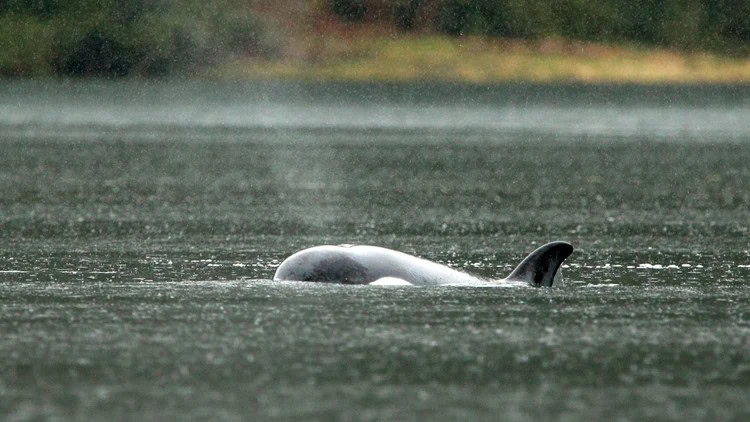
ZEBALLOS, BC — In a heartening turn of events, Kʷiisaḥiʔis, a 2-year-old orca calf stranded in a secluded lagoon off Vancouver Island, finally broke free from her confinement early Friday morning, as reported by the Ehattesaht First Nation. Around 2:30 a.m., the young orca, whose name roughly translates to “brave little hunter,” swam past the sandbar marking the site where her mother tragically lost her life and out of Little Espinosa Inlet. The Ehattesaht First Nation shared the momentous occasion on TikTok, recounting how Kʷiisaḥiʔis delighted onlookers with playful breaches and displays of energy near the causeway bridge before venturing further into the inlet. With hopes high for her safe passage, a team later located Kʷiisaḥiʔis in Espinosa Inlet, anticipating her journey westward toward the open ocean. Kʷiisaḥiʔis and her pregnant mother initially found themselves trapped in the lagoon after navigating a narrow and swift channel leading from the ocean. Despite earlier rescue attempts by members of the Ehattesaht First Nation in April, Kʷiisaḥiʔis proved elusive, making it challenging to execute the planned rescue operation involving boats, divers, and nets. As Kʷiisaḥiʔis embarks on her journey beyond the confines of Little Espinosa Inlet, she leaves behind a community that stood witness to her struggles and triumphs, symbolizing hope for her future in the vast expanse of the ocean. To learn more about recent orca whale sightings and the possibility of kayaking with whales explore more of the Sea Quest Kayak Tours website. Ready to experience it yourself? Explore our 2-Day San Juan Kayak Tour.
Orcas Swim Under Kayaks with Sea Quest Kayak Tours
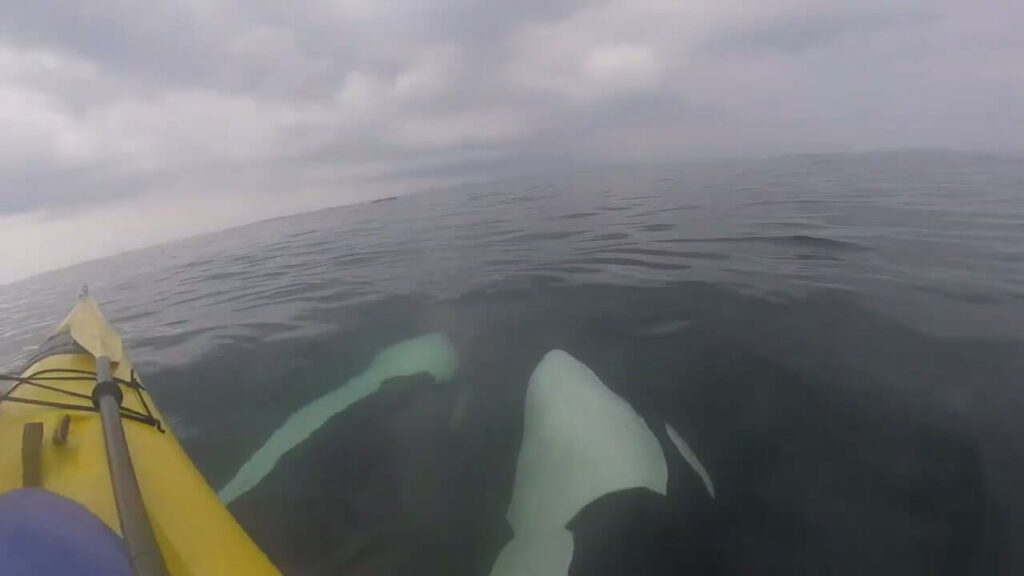
Picture yourself paddling serenely through the pristine waters of the San Juan Islands with Sea Quest Kayak Tours. Suddenly, not one, but two orcas emerge from the depths and glide gracefully beneath your kayak. Join us as we relive the astonishing moment when a group of adventurers encountered this remarkable spectacle, as recounted by guide Scott Erikson. https://www.youtube.com/watch?v=Tv8ZPwYH5Tc A Remarkable Double Encounter In the tranquil waters of the San Juan Islands, encounters with orcas are already extraordinary. But imagine the sheer surprise and awe when not one, but two of these magnificent creatures decide to swim under your kayak. Such was the remarkable experience had by a group of kayakers on a Sea Quest Kayak Tour, where the unexpected appearance of two orcas left everyone speechless with wonder. Scott Erikson’s Tale: The Unforgettable Surprise Recalling the astonishing moment, Scott Erikson,a seasoned guide with Sea Quest Kayak Tours, shares, “It was a typical morning as we set out on our kayak tour, admiring the beauty of the San Juan Islands. Suddenly, we spotted two dorsal fins cutting through the water, and before we knew it, two orcas were swimming directly beneath our kayaks.” Awe-Struck Reactions “The group was utterly surprised,” Scott continues, his excitement evident. “There was a collective gasp as the orcas glided beneath us, their sleek bodies rocketing through the water. It was a moment of pure magic as we watched in awe, scarcely daring to breathe, as the two majestic creatures passed mere inches beneath our kayaks.” The Unpredictable Wonder of Nature Such encounters underscore the unpredictable wonder of nature in the San Juan Islands. No matter how many times one ventures out on the water, there’s always the potential for breathtaking surprises. For this group of kayakers, the unexpected visit from two orcas left an indelible mark, reminding them of the profound connection between humans and the natural world. Scott’s Reflections on the Experience Reflecting on the encounter, Scott offers insights into the group’s emotions. “The sheer surprise and joy on their faces were unforgettable,” he says. “Moments like these remind us of the importance of preserving and protecting these incredible creatures and their habitats for future generations to enjoy.” Conclusion In conclusion, the tale of two orcas swimming under kayaks with Sea Quest Kayak Tours is a testament to the awe-inspiring experiences awaiting adventurers in the San Juan Islands. With each paddle stroke, there’s the potential for unexpected encounters with marine life, reminding us of the profound beauty and unpredictability of nature. Join us on a Sea Quest Kayak Tour and immerse yourself in the wonder of the San Juan Islands. Who knows? You might just find yourself face to face with two majestic whales, creating memories that will last a lifetime. Contact us today to book a kayak tour in the orca whale waters! If you enjoyed this new video, sign up for newsletter or follow us on Facebook where you can search for the top stories and news of the day and watch videos of kayaks with killer whales. Please read this note if you intended to advertise using our video which is a violation of our privacy policy: This video is exclusively owned by Natura LLC. Plan your own adventure with a 3-Day San Juan Kayak Trip from Sea Quest.
Humpback Whale Calf Spotted Washington Island: Swim with Mom
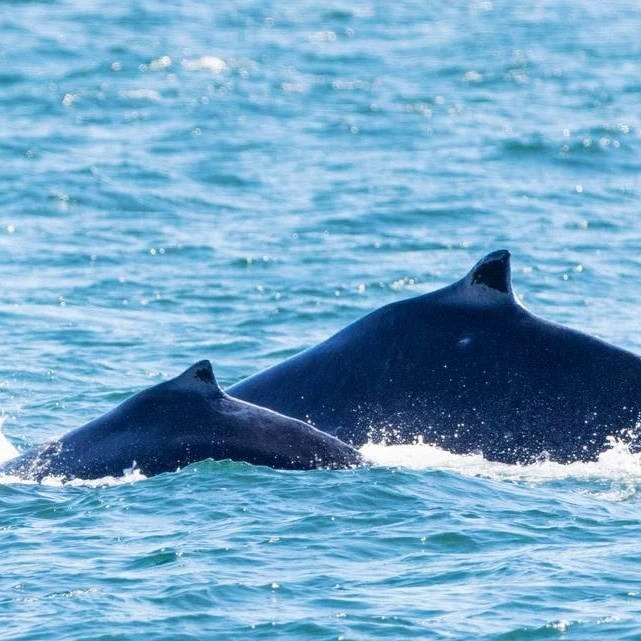
In the vast expanse of the Salish Sea off Washington, the inaugural sighting of the season’s first baby humpback whale has ignited excitement. Here at Sea Quest Kayak Tours, we are excited by the possibility to see humpback whales from our kayaks! Images captured by Eagle Wing Tours showcases the tender bond between the calf and its mother, Black Pearl, spotted near San Juan Island on April 18. The Pacific Whale Watch Association shared the news, emphasizing the thrill of anticipating which mother-and-calf pair will arrive first each year. Executive Director Erin Gless expressed delight in encountering Black Pearl, known for frequenting the waters near north Vancouver Island during the summer. Estimated to be between three to four months old, the calf marks another addition to Black Pearl’s lineage, having birthed at least three previous calves. For a chance to see whales from a kayak, join a kayak tour in the San Juan Islands with Sea Quest Kayak Tours. Outer Island Excursions also captured moments of the humpback duo gracefully navigating the sea. Each year, humpback whales embark on extensive journeys to warmer climates in Hawaii, Mexico, and Central America for mating and calving, before returning to cooler feeding grounds in the summer, as noted by both the Pacific Whale Watch Association and the National Oceanic and Atmospheric Administration (NOAA). The Salish Sea, situated between Washington and British Columbia, Canada, serves as a vital corridor for these majestic marine mammals. Humpbacks are one of a few species of Baleen Whales that call the San Juan Islands their home! Want to see this firsthand? Join a 5-Day San Juan Kayak Expedition.
Deceased BC Kayakers Off Washington State Coast Disappearance

In a tragic development, the Royal Canadian Mounted Police (RCMP) confirmed on Wednesday that two kayakers, reported missing from Vancouver Island, have been discovered deceased in Washington state. The San Juan County Sheriff’s Office announced on Tuesday that they had recovered two bodies from the waters off San Juan Island. This discovery follows a three-day search initiated after the kayakers were last seen off the coast of Sidney, B.C., approximately 25 kilometers north of Victoria. The missing individuals, Daniel MacAlpine, 36, and Nicolas West, 26, were reported missing on Saturday afternoon while kayaking from D’Arcy Island to Island View Beach, just south of Sidney. It is not known if the two Canadians were intending on kayaking in the San Juan Islands; however, it was later determined that they were kayaking in Washington, as there kayak was found on Henry Island which is one of the closest American islands to the Canadian Border. Sidney/North Saanich RCMP confirmed on Wednesday that Washington state authorities positively identified the deceased as MacAlpine and West. Staff Sgt. Wayne Conley expressed gratitude to all agencies involved in the search and recovery efforts, offering condolences to the families affected by the tragedy. According to San Juan County Sheriff Eric Peter, the first body was discovered on Monday around 3 p.m. PT, found floating against the rocks in Grandma’s Cove on the south side of San Juan Island. The second body was located on Tuesday around 6:30 a.m. PT, in Middle Channel to the south of the island. Both individuals were wearing life jackets at the time of recovery. The bodies were transferred to the San Juan County Coroner’s Office, which later provided positive identification to the RCMP, concluding this devastating ordeal. Here at Sea Quest Kayak Tours we feel deeply for the families of the victims. This story is an important reminder to make sure to take caution while kayaking in the San Juan Islands. Paddling high quality sea kayaks and kayaking with a kayak guide are great way to make exploring the Seattle area in a kayak safe and enjoyable. Turn this into your own trip — book a Half-Day San Juan Kayak Tour.
Women’s Kayak Tours in the San Juan Islands – Sisterhood
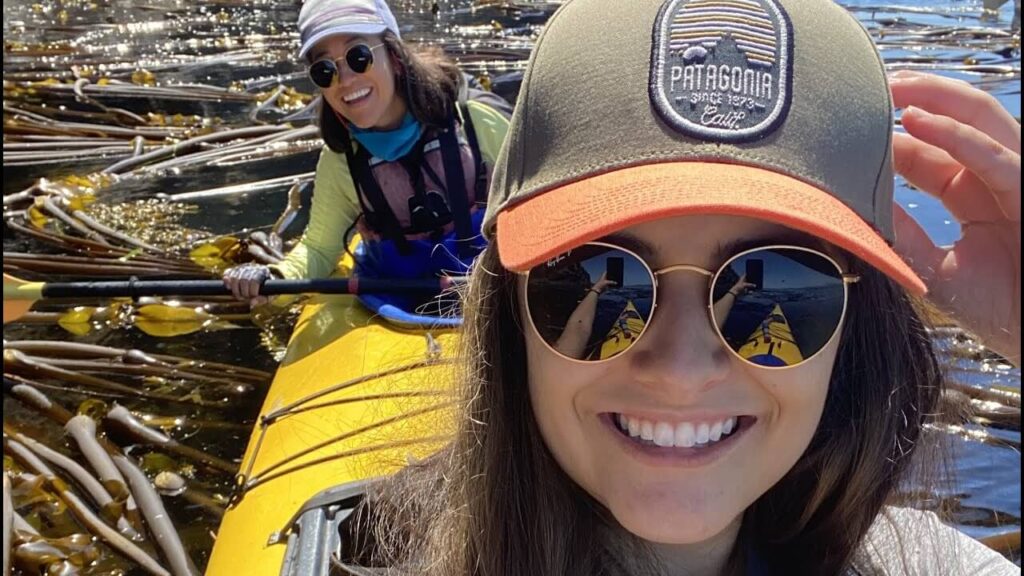
Nestled in the pristine waters of the Pacific Northwest, the San Juan Islands offer a sanctuary for outdoor enthusiasts seeking adventure amidst breathtaking landscapes. Among these adventurers are the “outdoor girls,” women who find solace and joy in exploring the great outdoors. However, there’s a prevailing misconception that in the realm of outdoor activities, competition and cattiness among women are inevitable. But I’m here to tell you otherwise – outdoor girls don’t have to be mean to each other, especially not when embarking on women’s kayak tours in the serene waters of the San Juan Islands. Picture this: a group of women gliding gracefully through the glassy waters, surrounded by towering evergreens and rugged coastlines. The rhythm of their paddles echoes the harmonious bond they share, a bond rooted in mutual respect and support. Contrary to the stereotype, these outdoor girls aren’t engaged in petty rivalries or cliques. Instead, they’re united by a shared love for adventure and a deep appreciation for the natural world. Women’s kayak tours in the San Juan Islands offer more than just physical exertion; they foster a sense of community among like-minded individuals. As we navigate through the labyrinth of islands, each stroke of the paddle strengthens not only our muscles but also our bonds with one another. There’s a sense of camaraderie that transcends competition, as we cheer each other on and celebrate every triumph – whether it’s conquering a challenging stretch of water or spotting a majestic bald eagle soaring overhead. In this environment, there’s no room for mean-spiritedness or negativity. Instead, there’s an unwavering spirit of encouragement and empowerment fostered by the women’s kayak tour organizers. These tours are designed to create a supportive and inclusive space where women of all skill levels can come together to explore the beauty of the San Juan Islands. Experienced guides lead the way, offering expert instruction and guidance while fostering a sense of camaraderie among participants. Moreover, women’s kayak tours in the San Juan Islands allow us to reconnect with ourselves and with nature. As we paddle along, the stresses of everyday life melt away, replaced by a profound sense of peace and serenity. Surrounded by the beauty of our natural surroundings, we’re reminded of the importance of preserving and protecting our planet for future generations. It’s a humbling experience that instills in us a deep sense of gratitude and stewardship. So, to those who believe that outdoor girls must be mean to each other, I say this: come join us on a women’s kayak tour in the San Juan Islands, and witness firsthand the power of female camaraderie. Together, we’ll paddle through pristine waters, explore hidden coves, and forge friendships that will last a lifetime. In the end, it’s not about who’s the fastest or the strongest – it’s about embracing the joy of adventure and lifting each other up along the way. After all, in the vast expanse of the outdoors, there’s always room for kindness, compassion, and sisterhood.